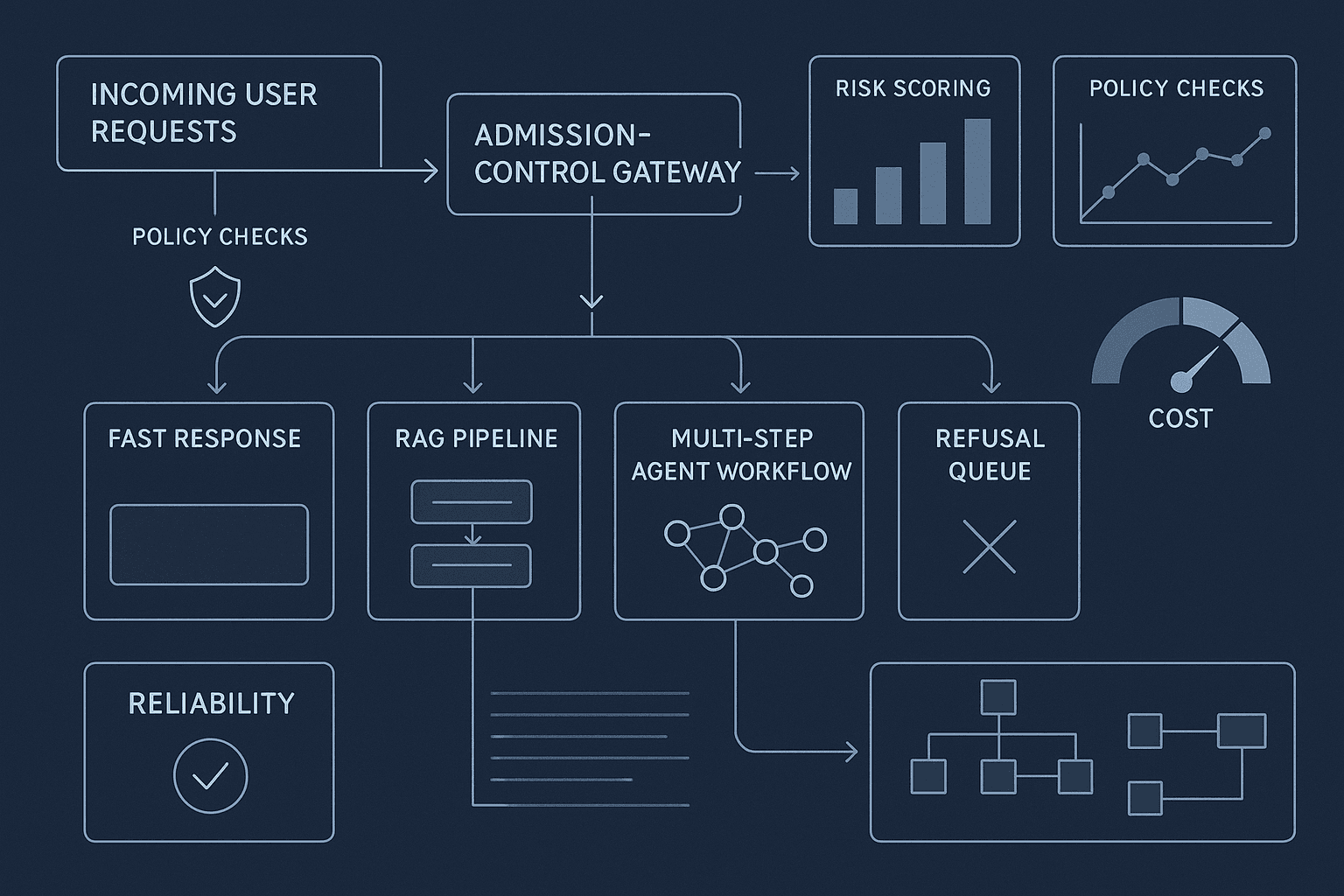
Admission Control for Production GenAI Requests
How to route requests before orchestration: lightweight prompts, full RAG, multi-step agents or fast refusal, based on risk and value.
GenAI Consulting24 min read
Practical guides, architecture notes, and lessons from shipping GenAI to production.
How to route requests before orchestration: lightweight prompts, full RAG, multi-step agents or fast refusal, based on risk and value.
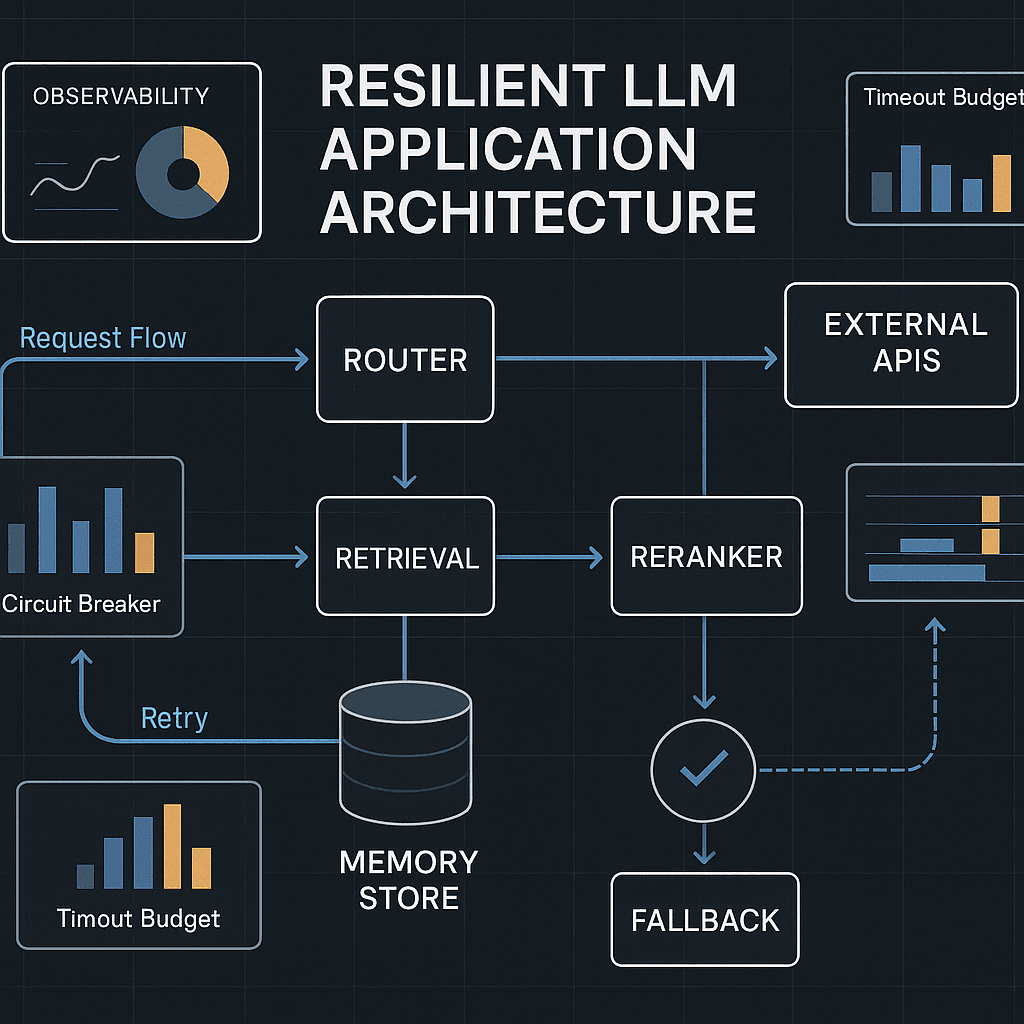
How to keep GenAI systems resilient when retrieval, rerankers, tools, memory or validators fail, with fallbacks, timeouts and recovery design.
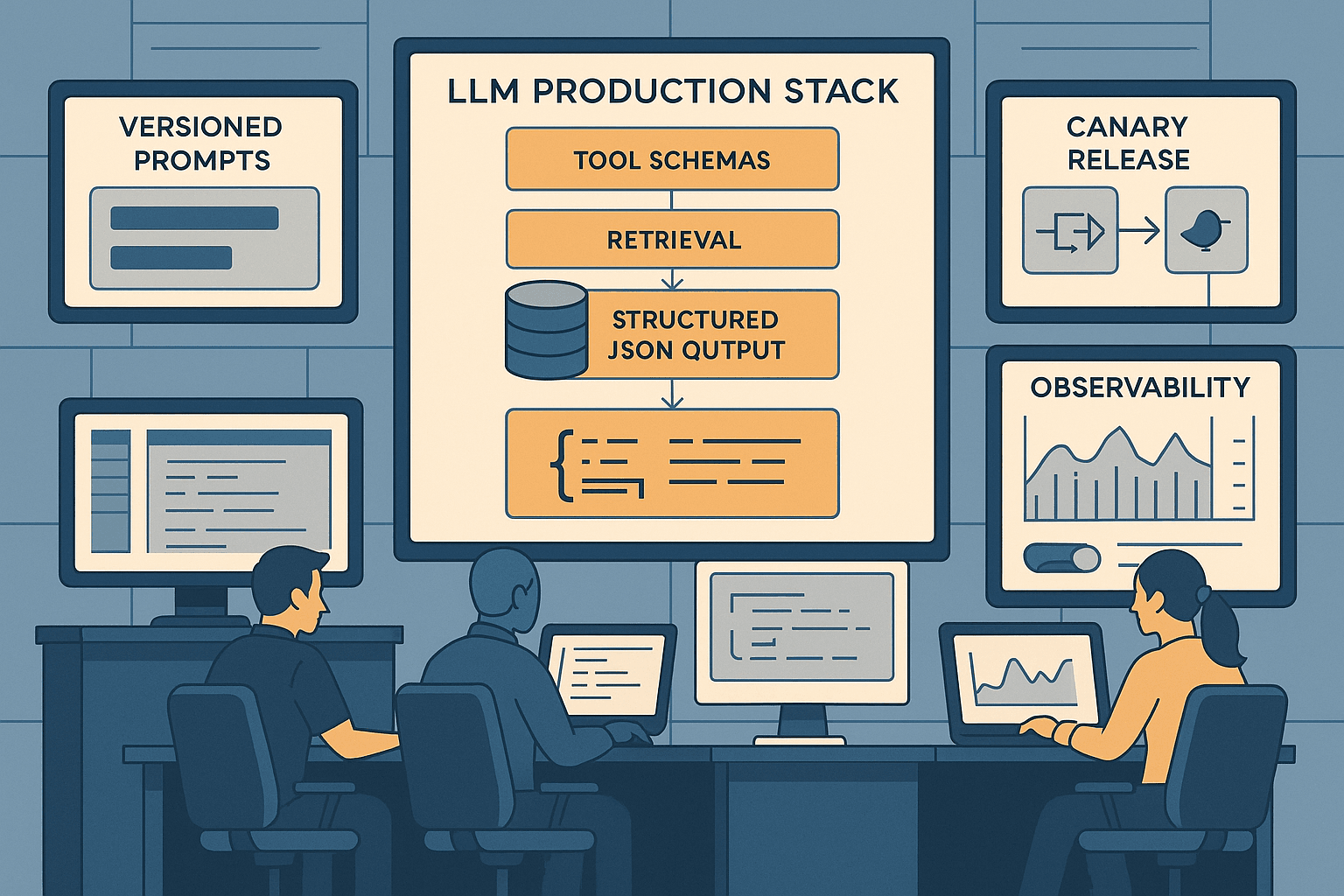
How to roll out changes to prompts, tools, retrieval payloads and structured outputs in live LLM systems without breaking downstream consumers.
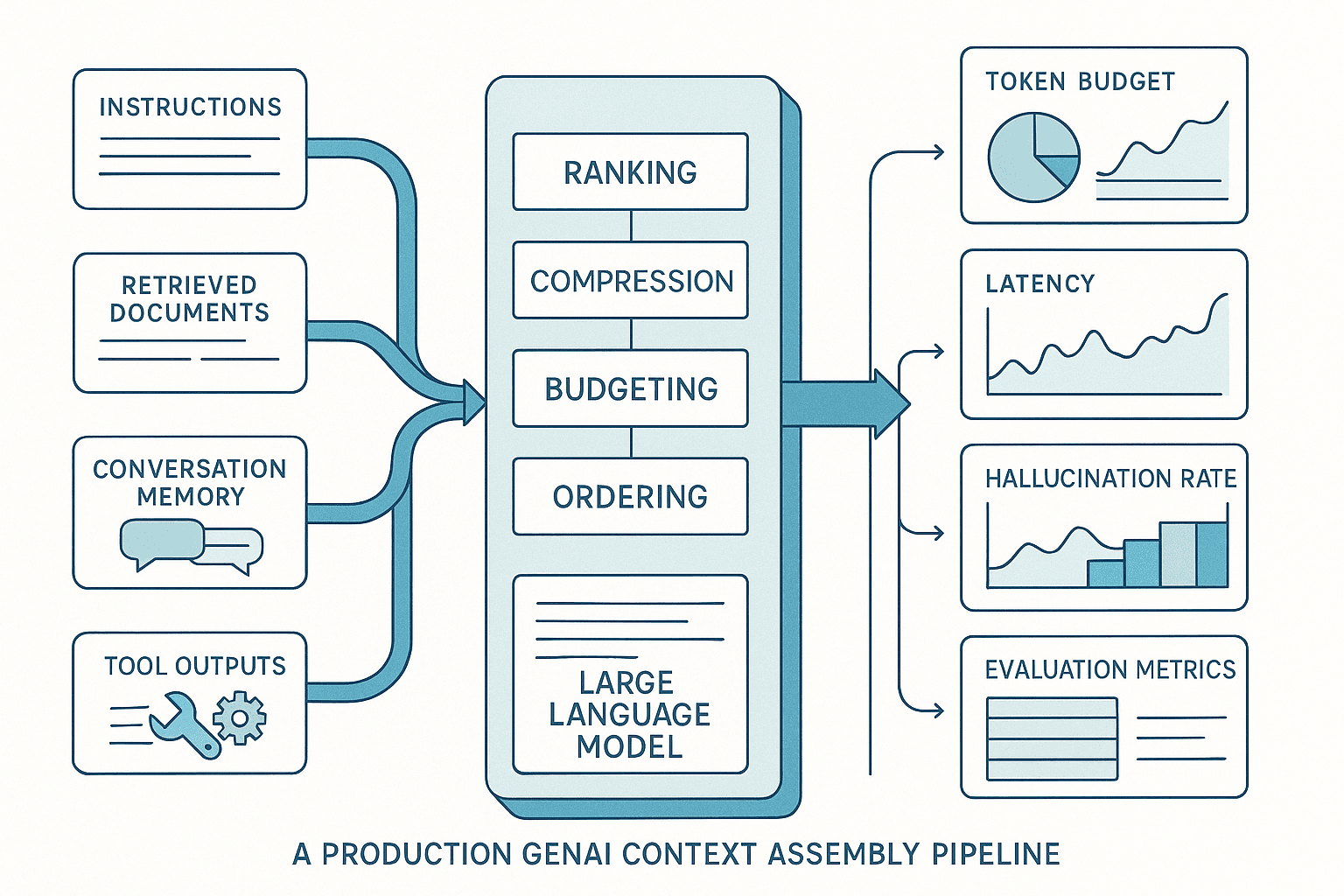
How to assemble, rank, compress and order context in production GenAI to fit finite windows and cut hallucinations, latency and cost.
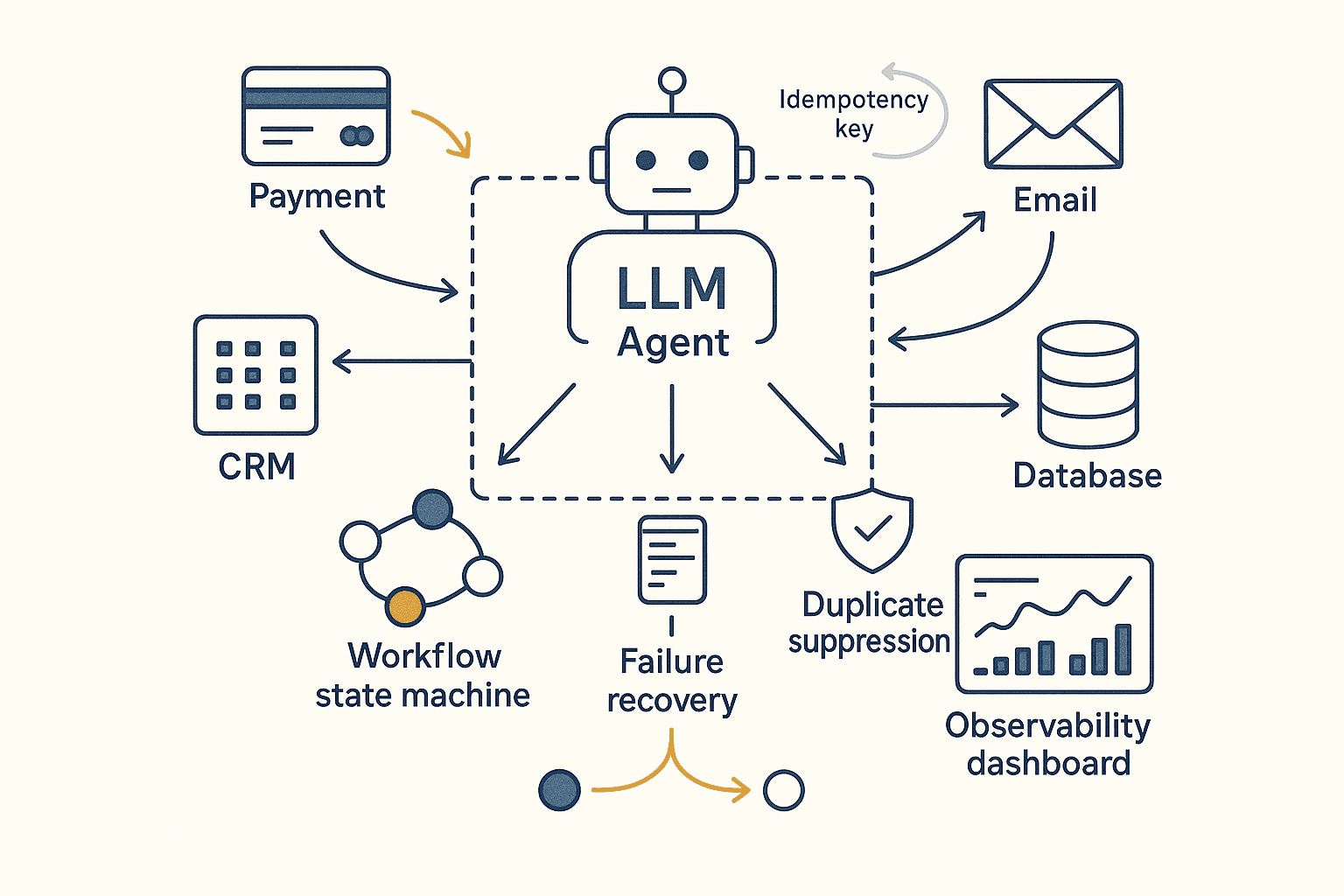
How to build reliable agent tool loops with idempotency keys, safe retries, side-effect control, workflow state and compensating actions.
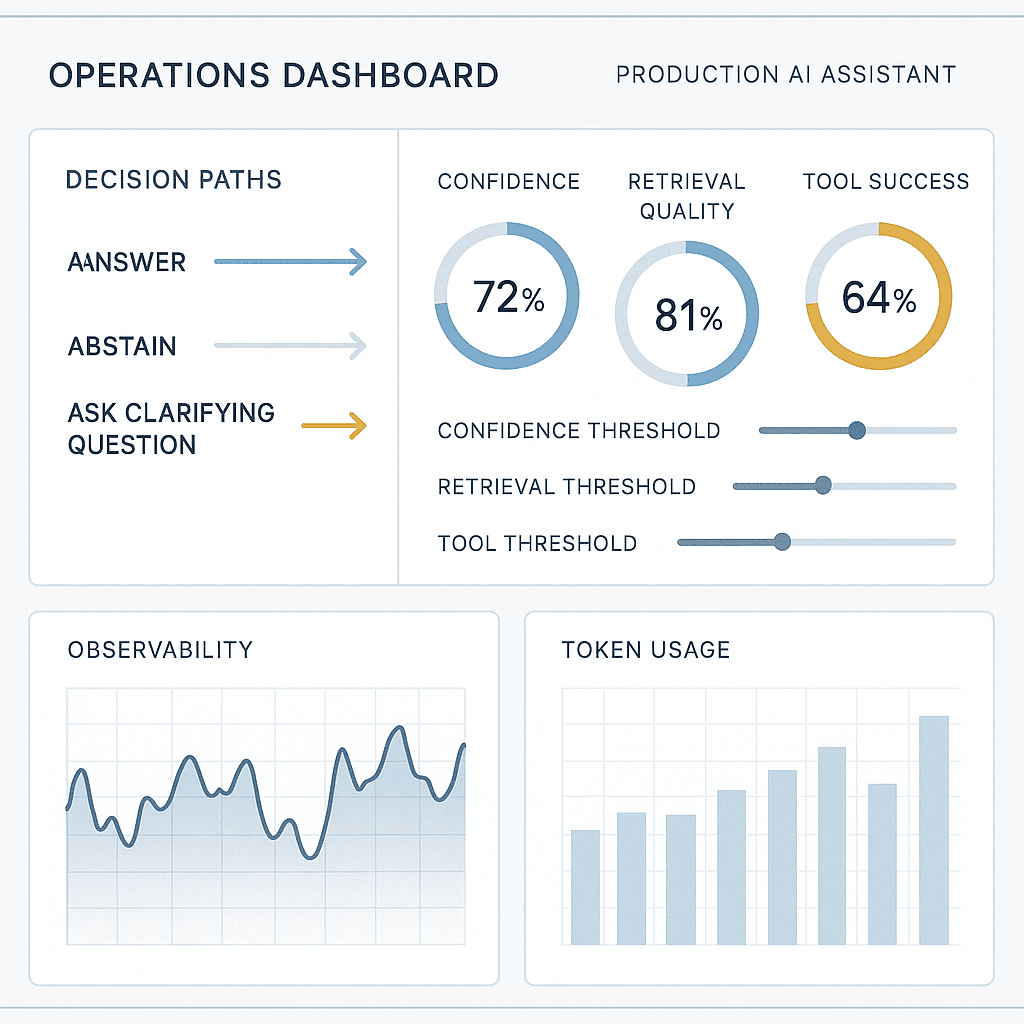
How to set confidence and abstention policies for GenAI: uncertainty signals, threshold tuning, evals, UX patterns and observability.
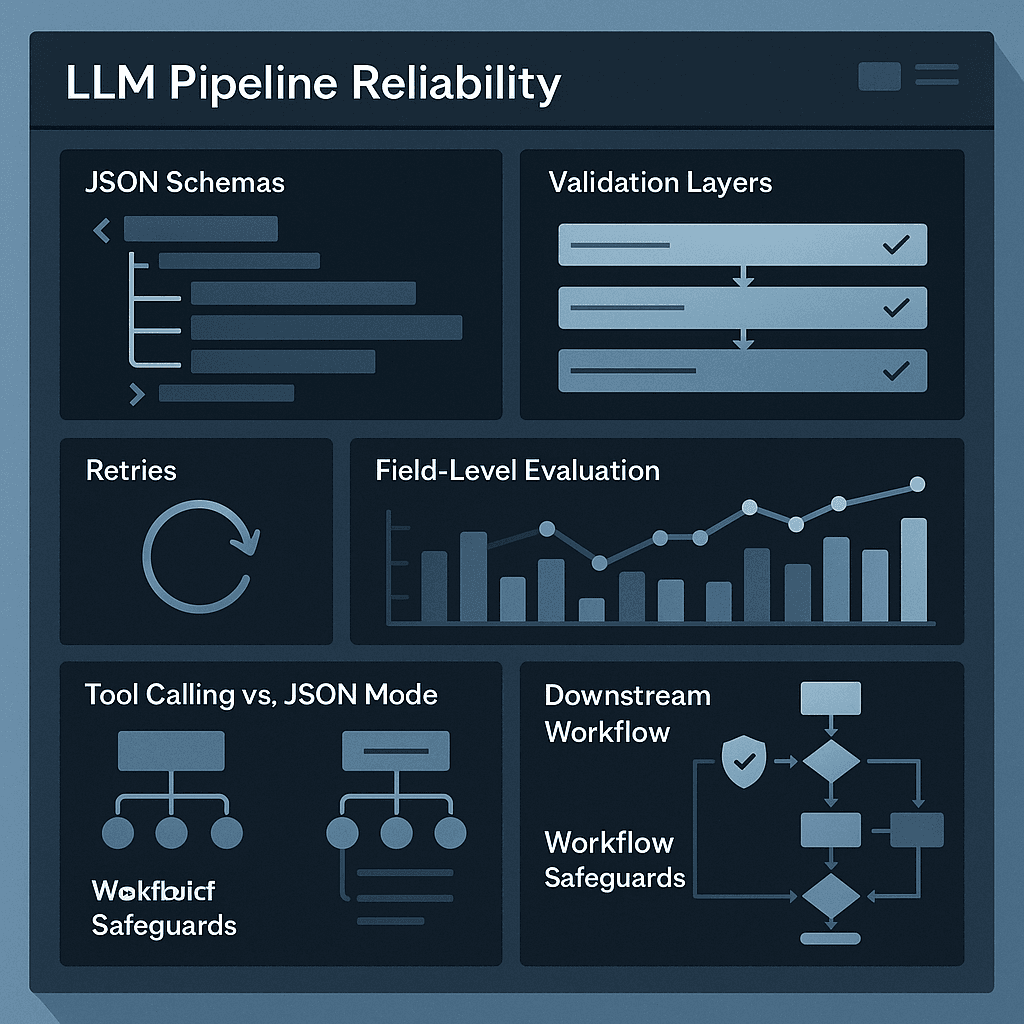
How to get reliable schema-bound LLM outputs with contract design, validation, repair, retries, evals, observability and downstream safety.
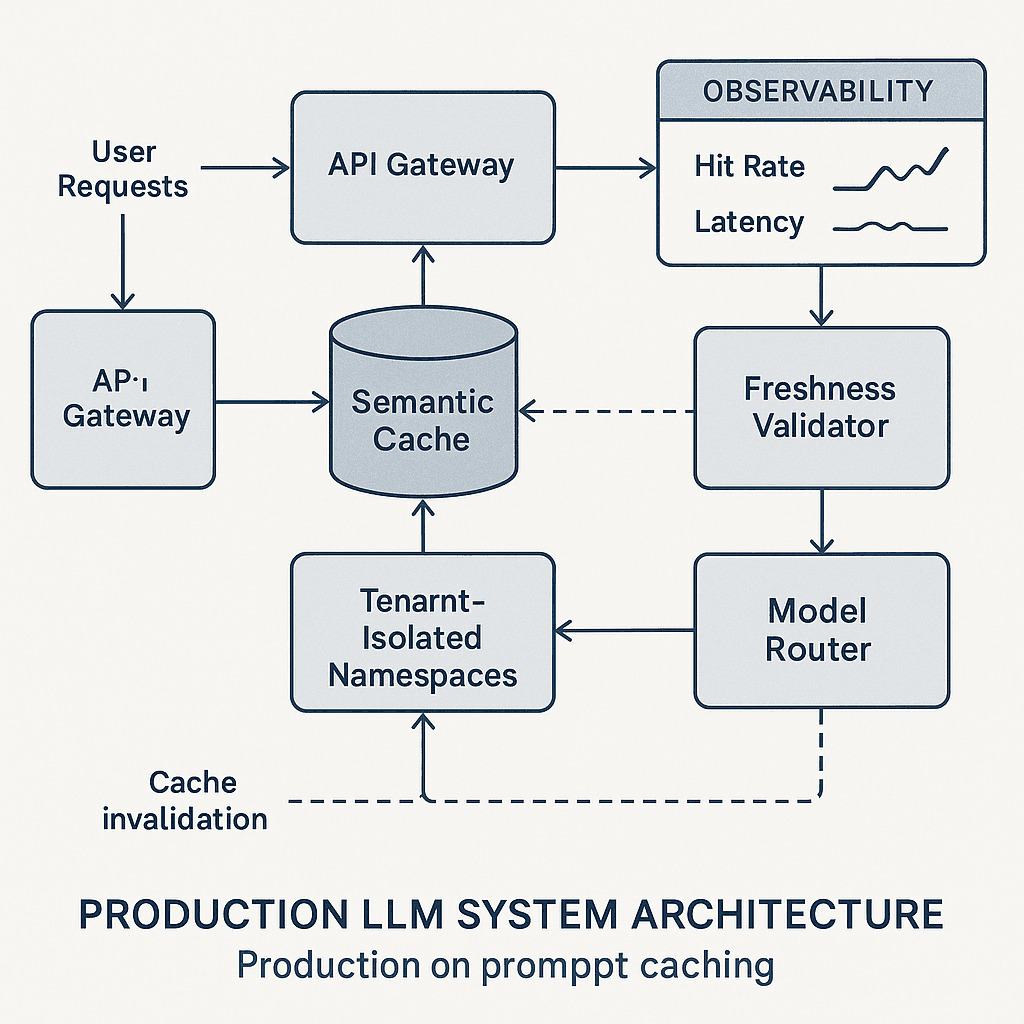
How to cache prompts and responses in LLM apps to cut cost safely: semantic keys, invalidation, tenant isolation, freshness checks and guardrails.
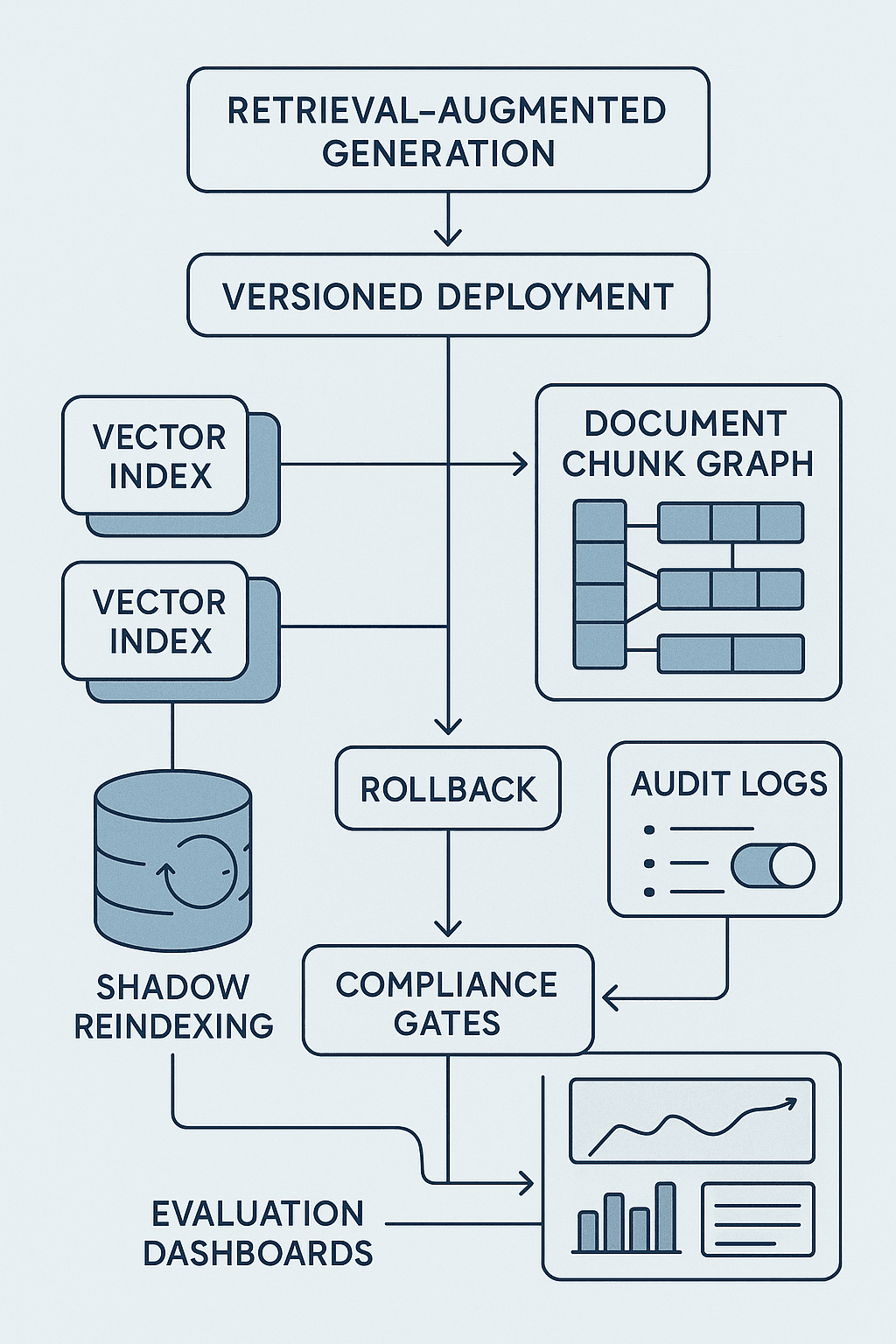
How to version the RAG knowledge layer with dual indexes, shadow rebuilds, retrieval diffing, rollback plans and release gates.
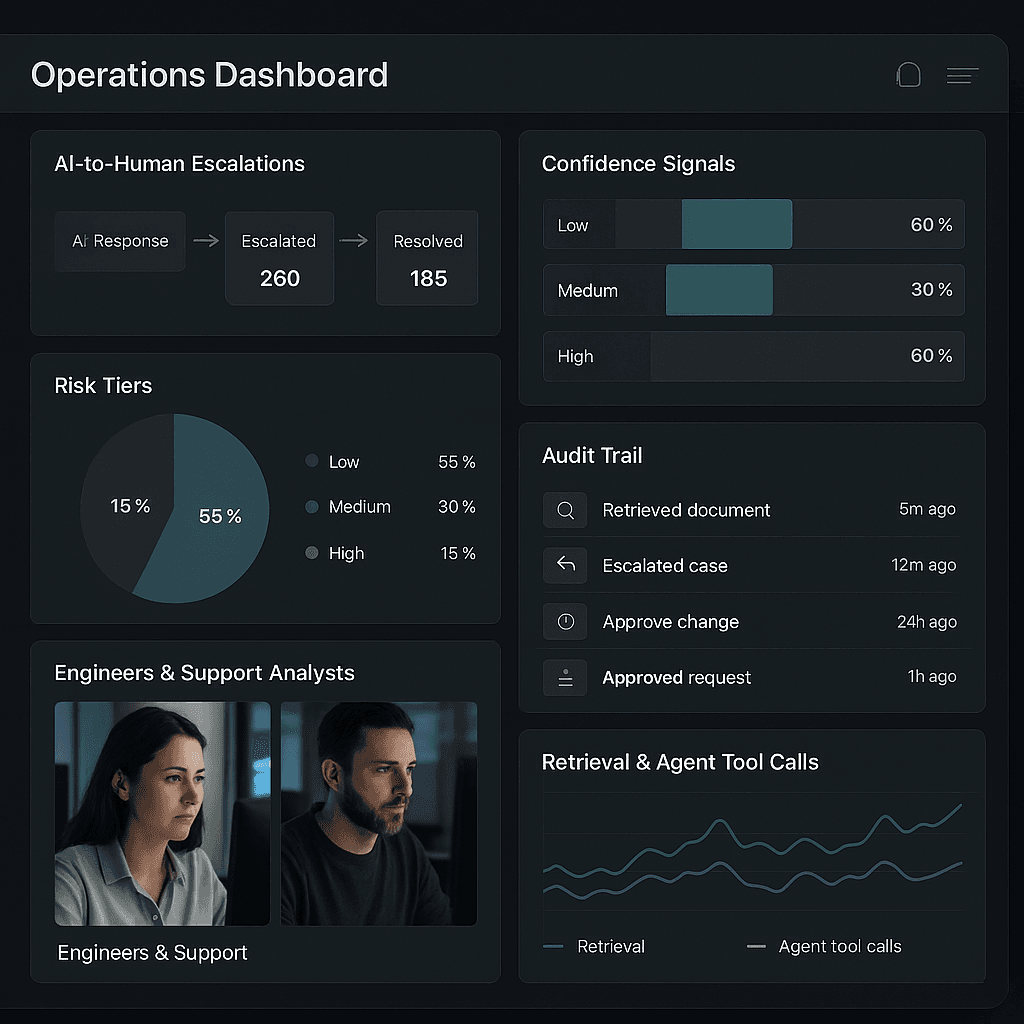
When GenAI systems should stop, ask, defer or hand off to people, with escalation policies, queue design, SLAs and auditability.
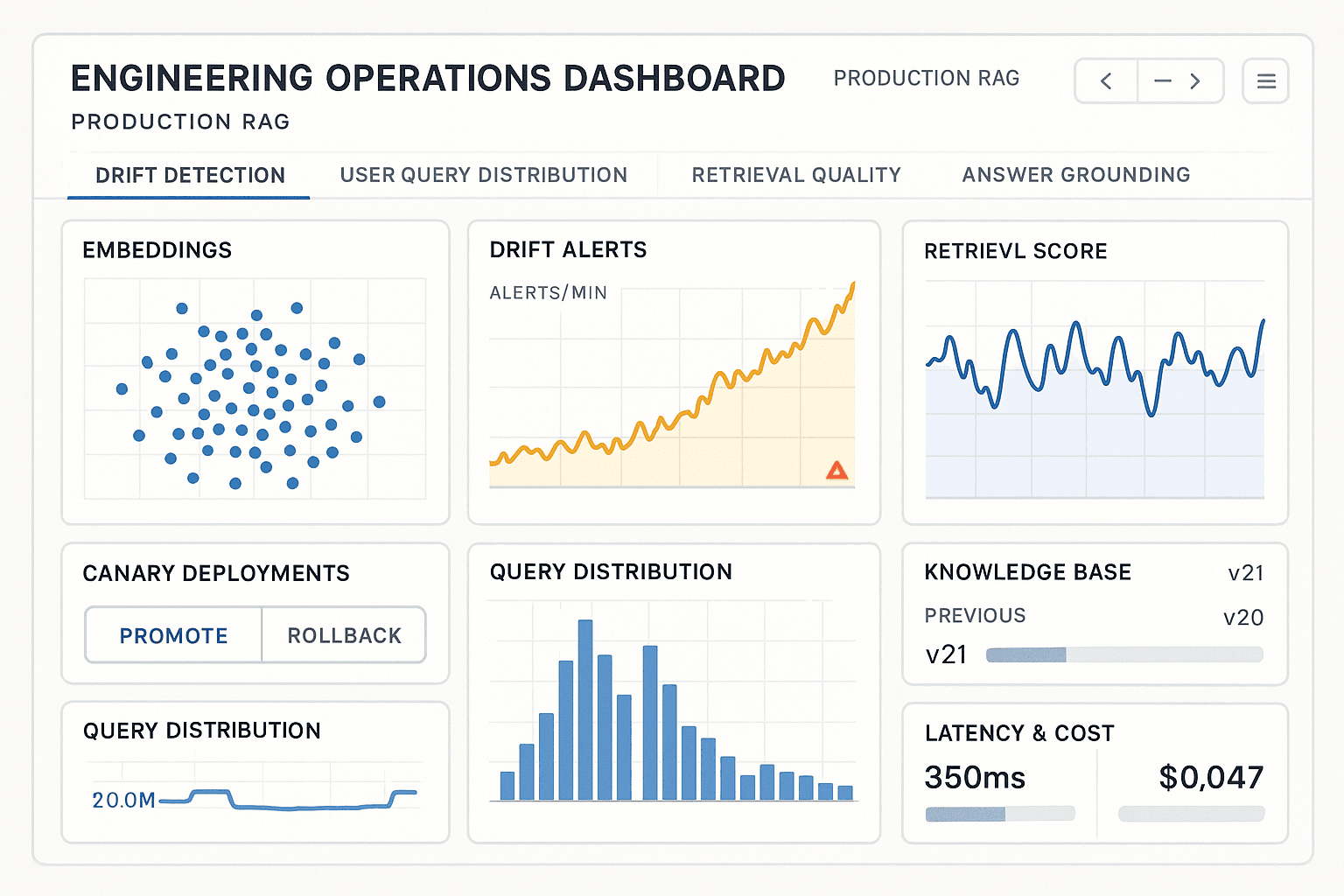
How to monitor and respond to drift in RAG: corpus changes, query shifts, retrieval regressions, grounding decay, and canary evals.
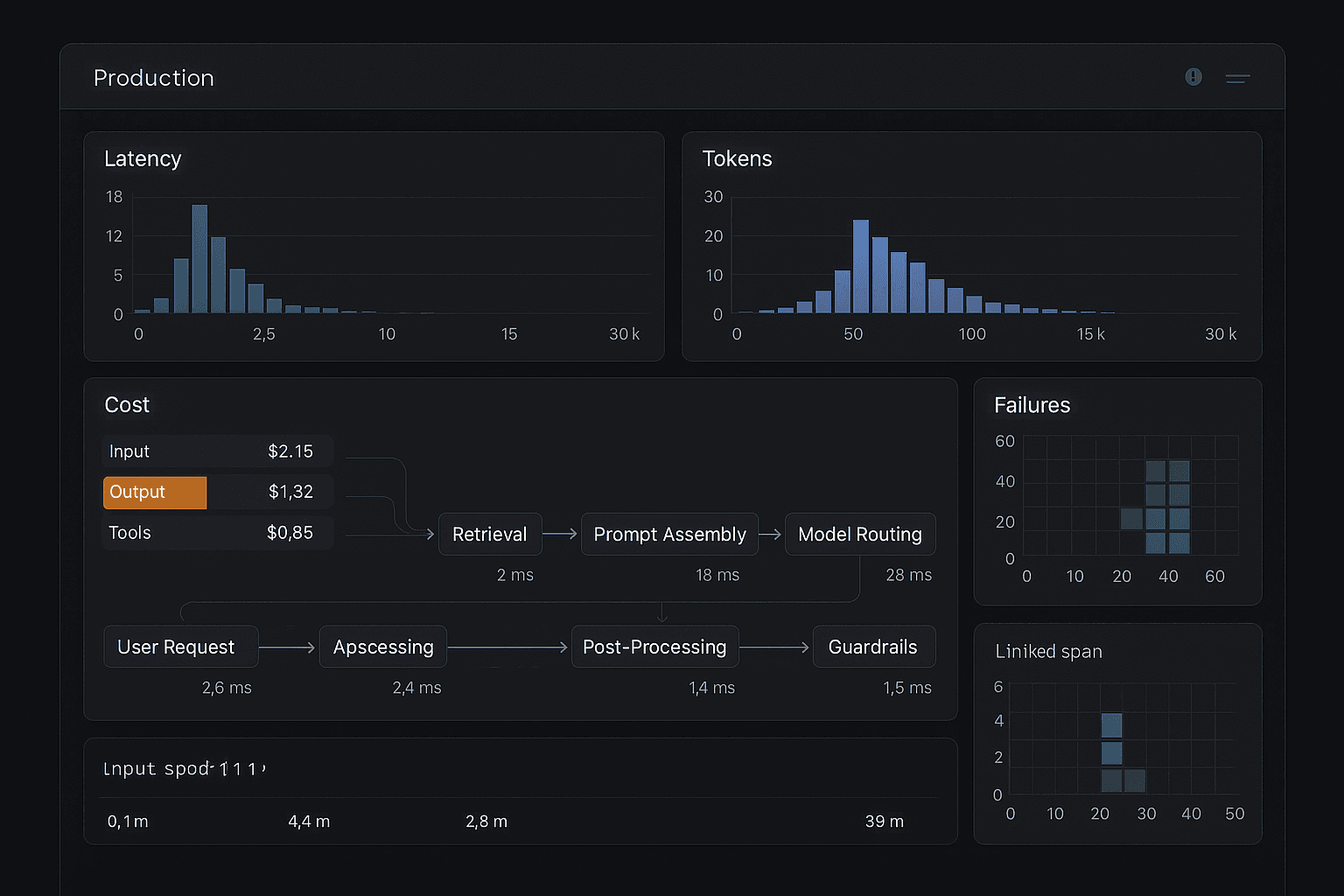
How to trace retrieval, prompts, tool calls, routing and failures in production LLM systems so teams can debug regressions and tie quality to cost.