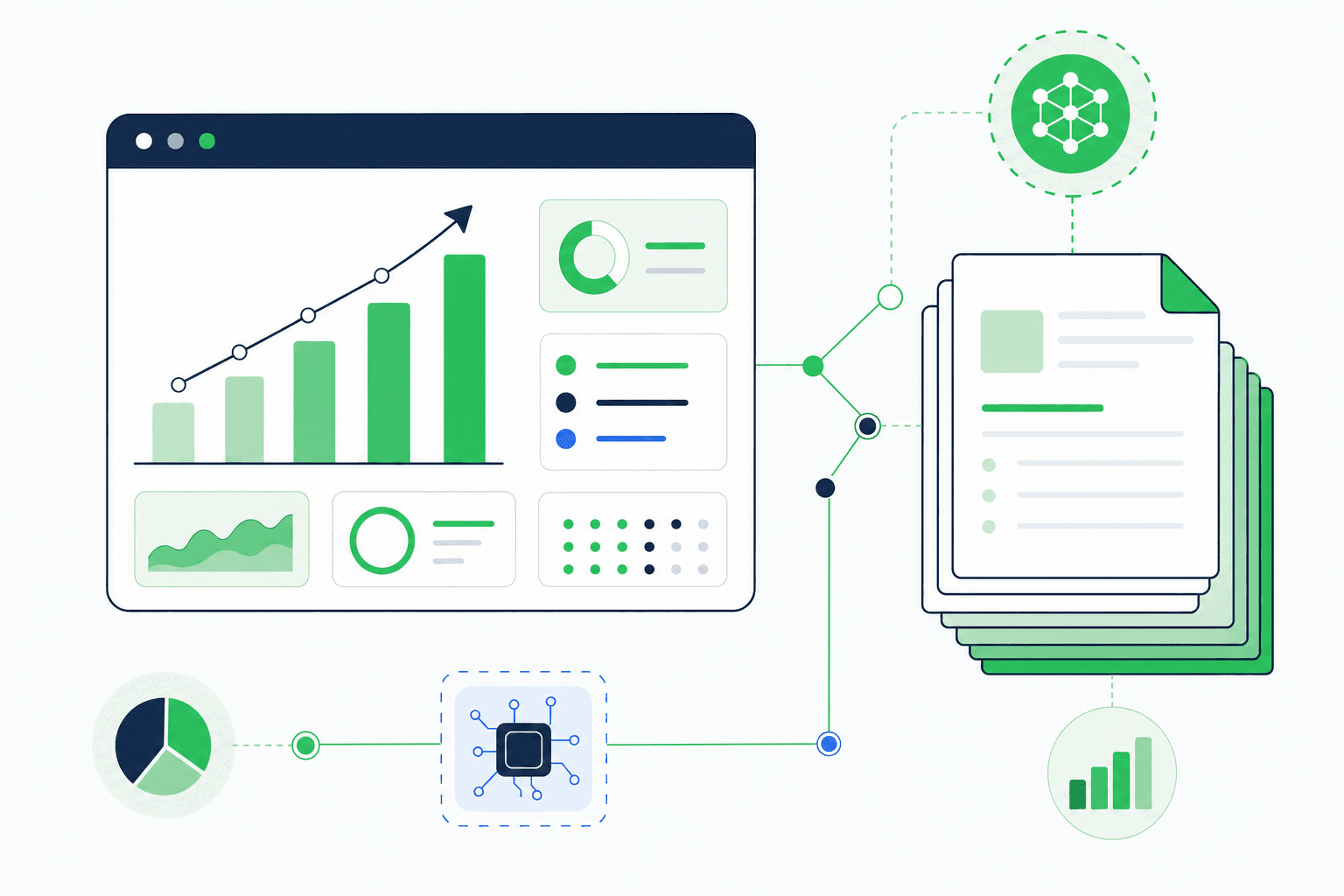
Generative AI ROI Calculation for Enterprises
Build a finance-ready generative AI ROI calculation from task baselines, error cost and adoption curves, with clear exclusions and ownership.
GenAI Consulting20 min read
Practical guides, architecture notes, and lessons from shipping GenAI to production.
Build a finance-ready generative AI ROI calculation from task baselines, error cost and adoption curves, with clear exclusions and ownership.
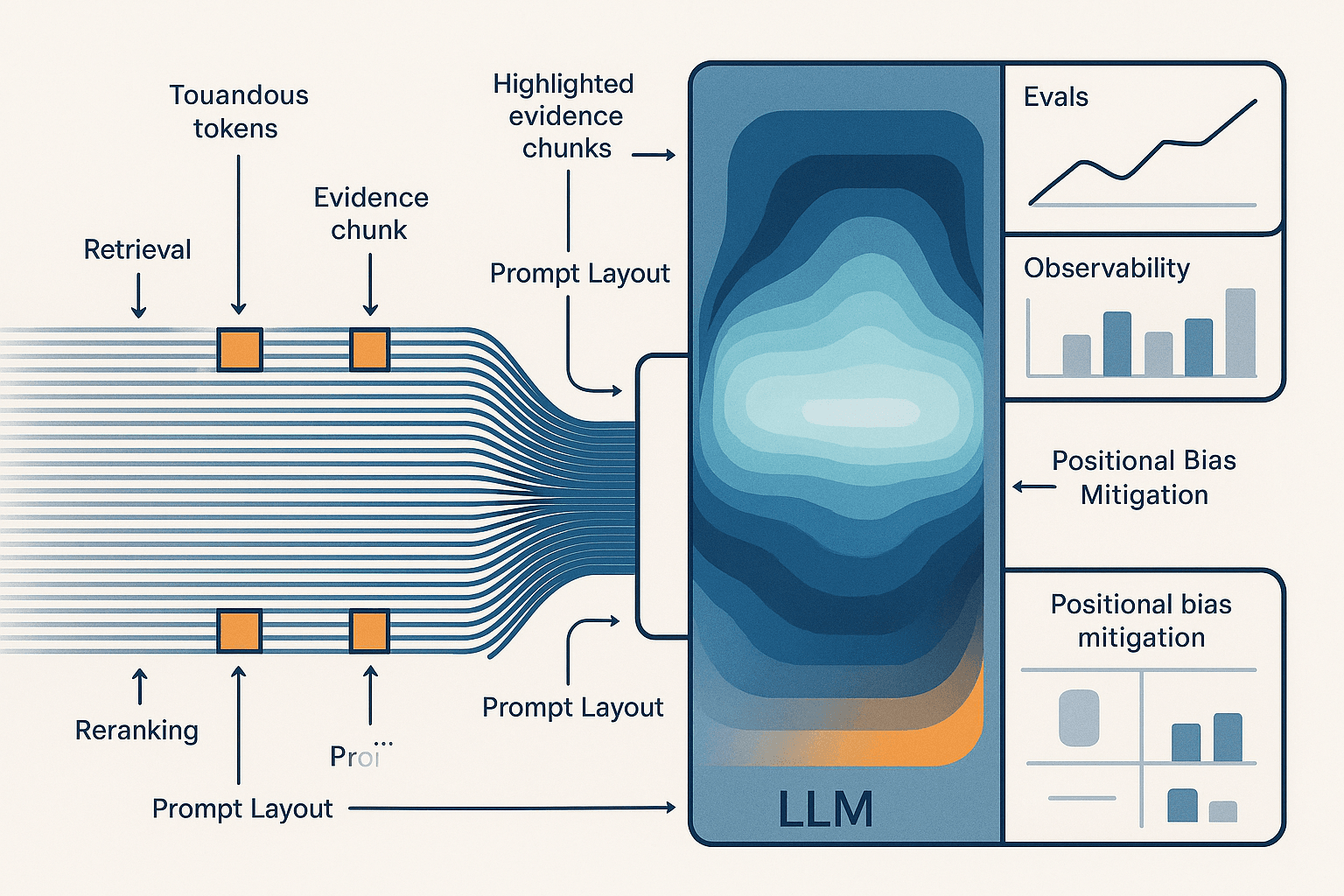
How to measure and reduce positional bias in long-context LLM apps, with evals, prompt-layout patterns and observability for lost-in-the-middle.
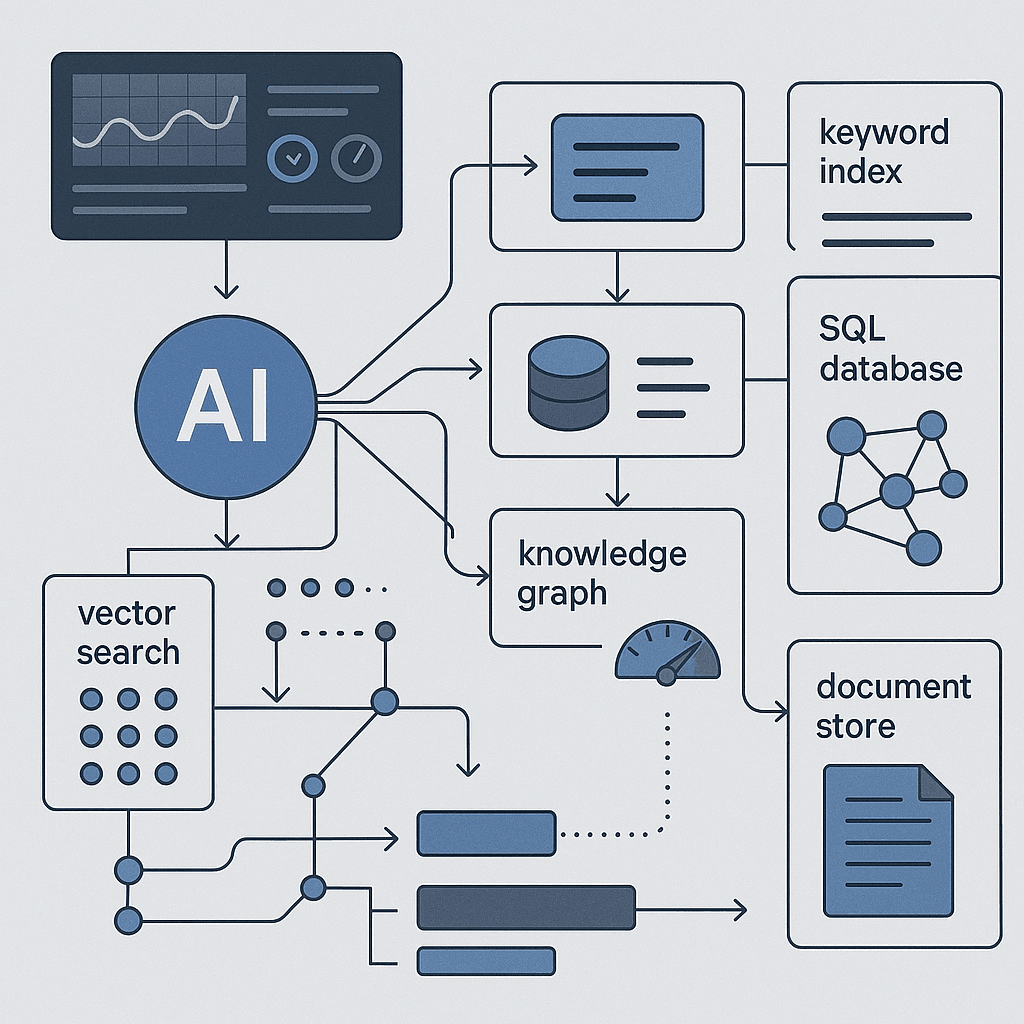
How to plan multi-source RAG queries: decomposition, fan-out, sequencing, joins, provenance, latency, evals and observability.
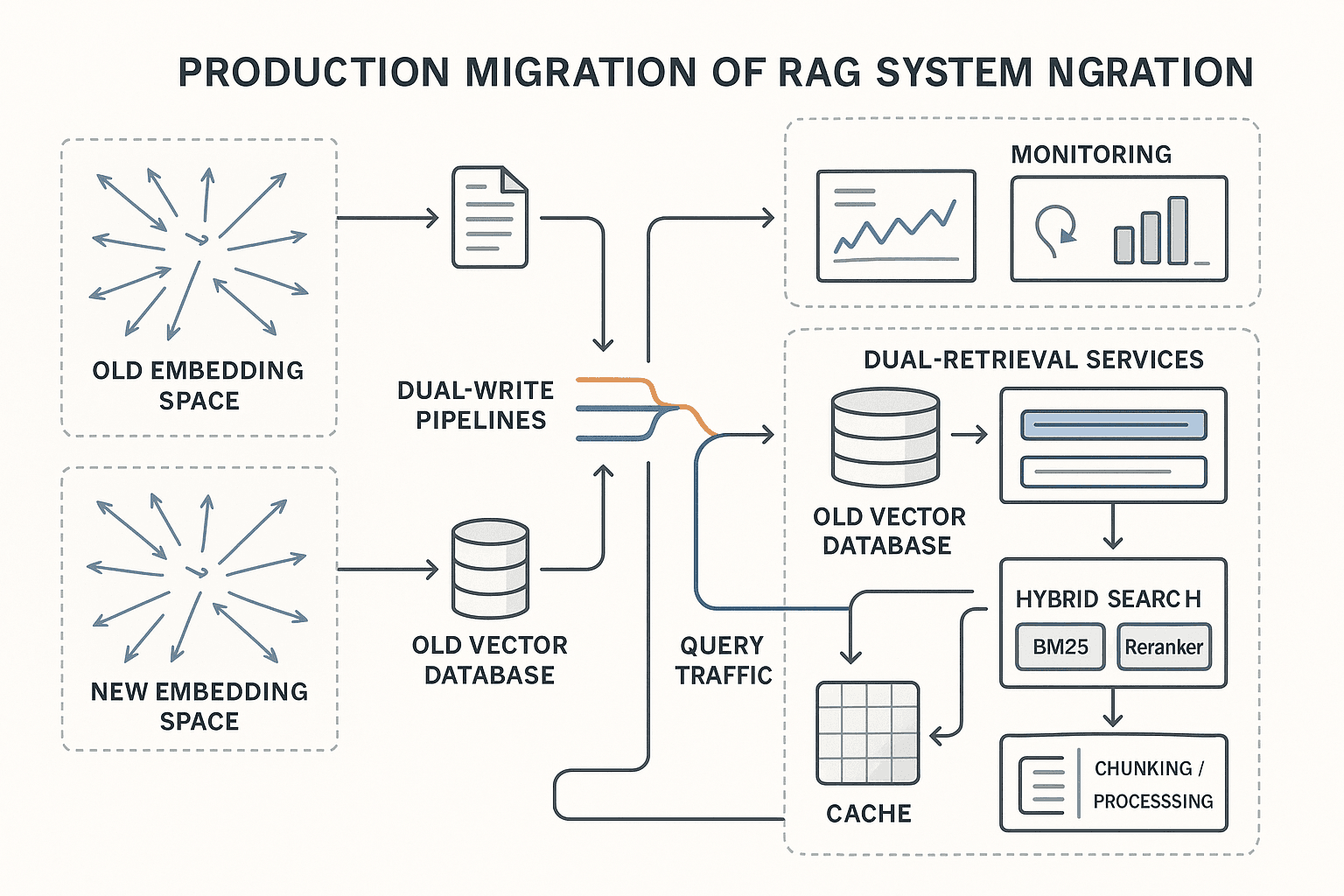
How to detect and contain embedding drift in RAG with migration patterns, eval design, rollback gates and cost and latency tradeoffs.
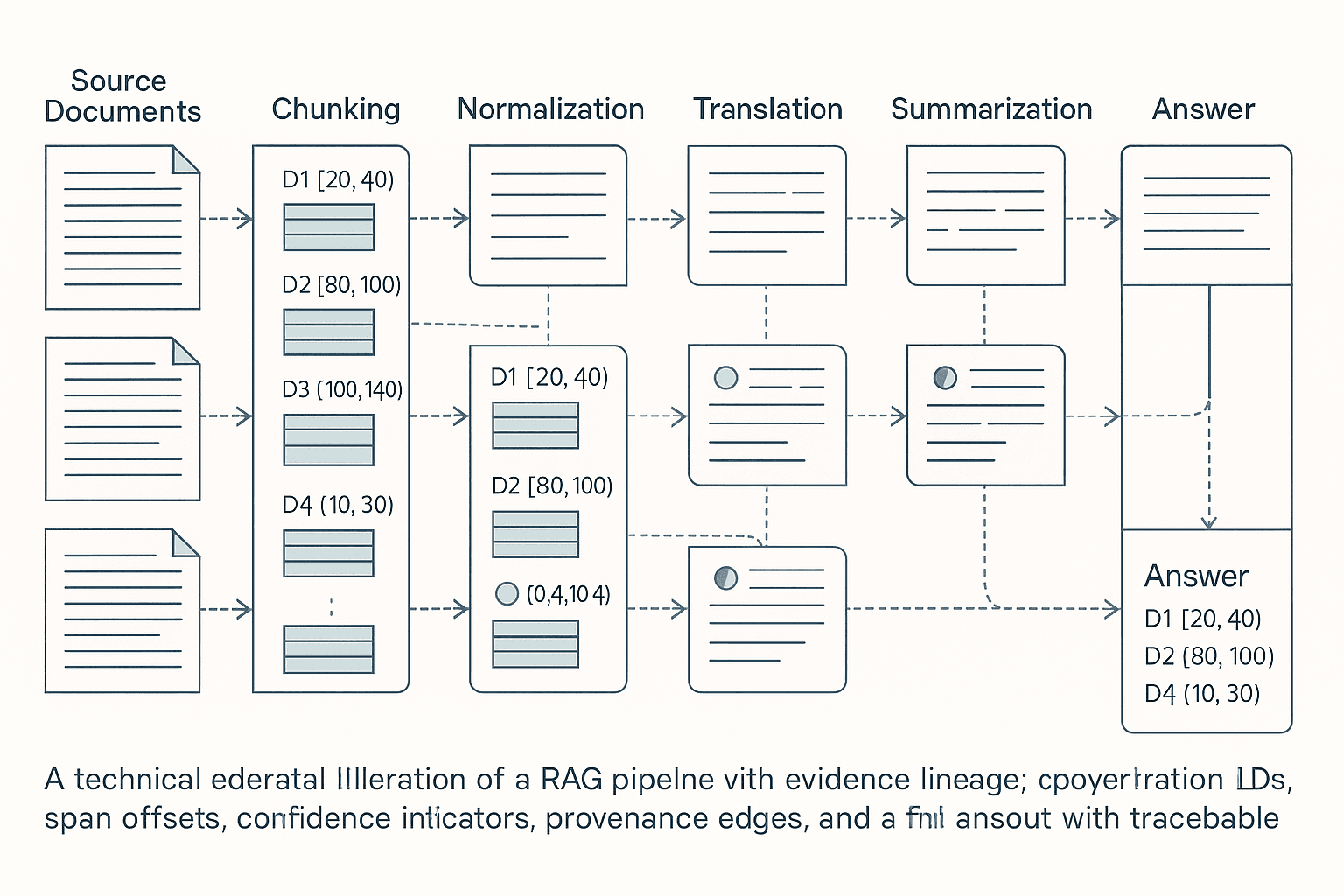
How to preserve evidence lineage through chunking, summarization, reranking and multi-hop synthesis in RAG, with concrete data models.
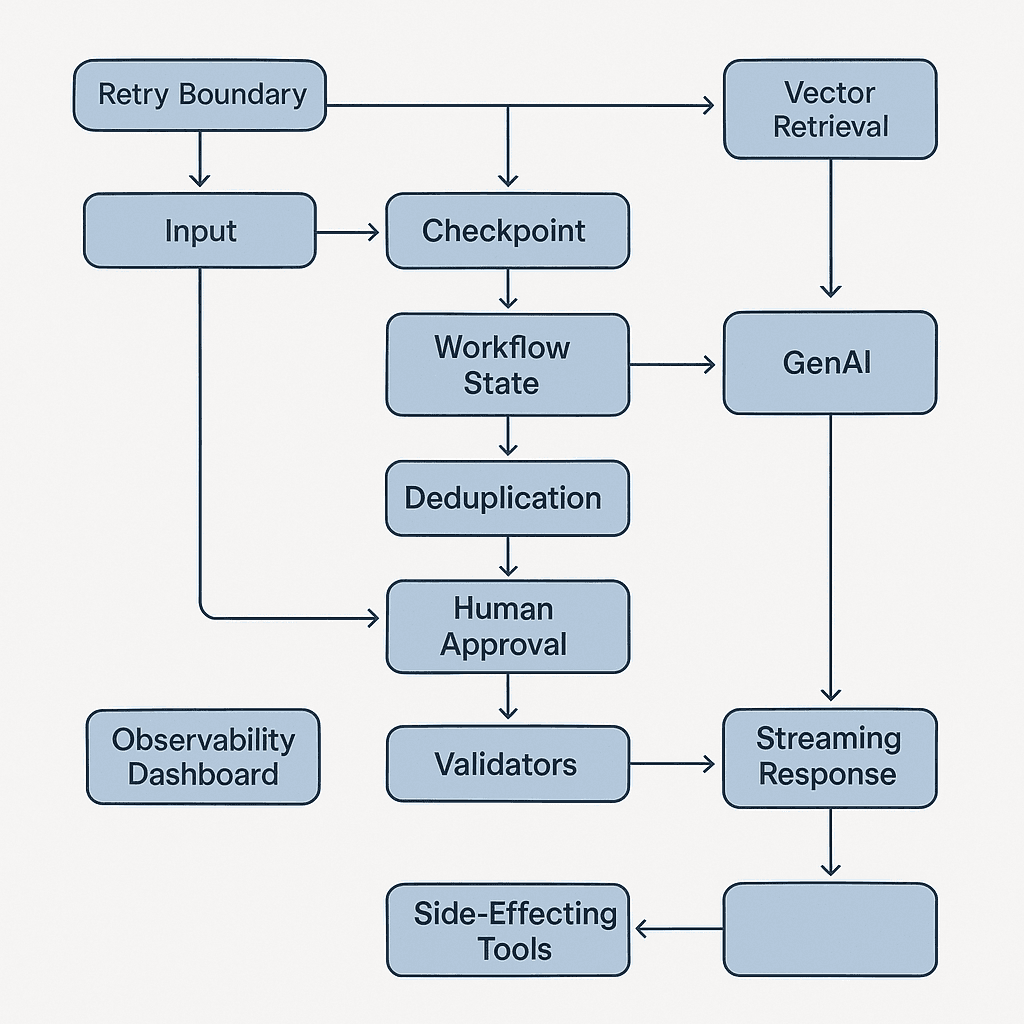
How to retry safely in GenAI systems using workflow state, checkpoints, replay boundaries, deduplication, approvals and observability.
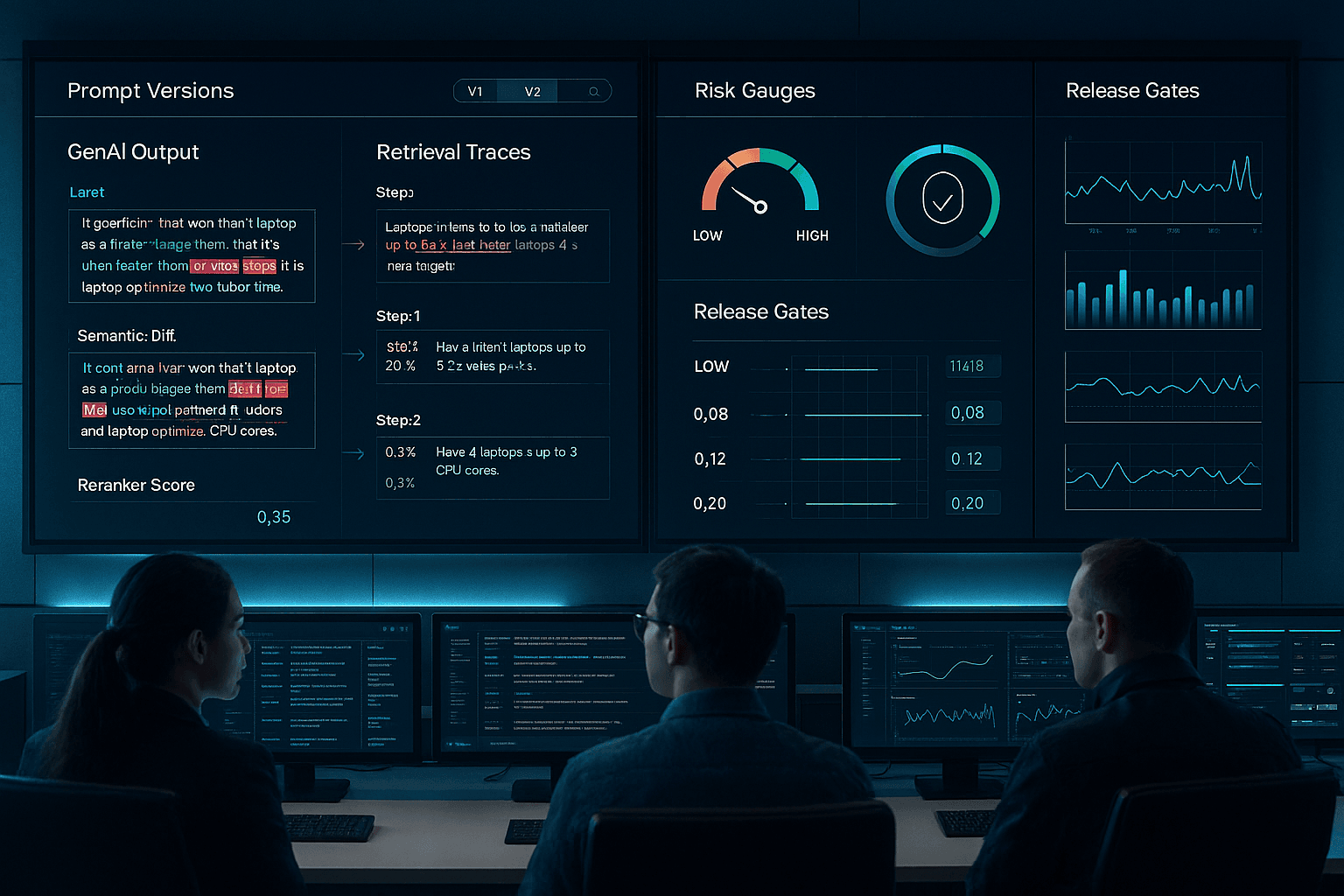
How to test prompt, retrieval, reranker and context changes with pairwise adjudication, trace replay and risk scoring before release.
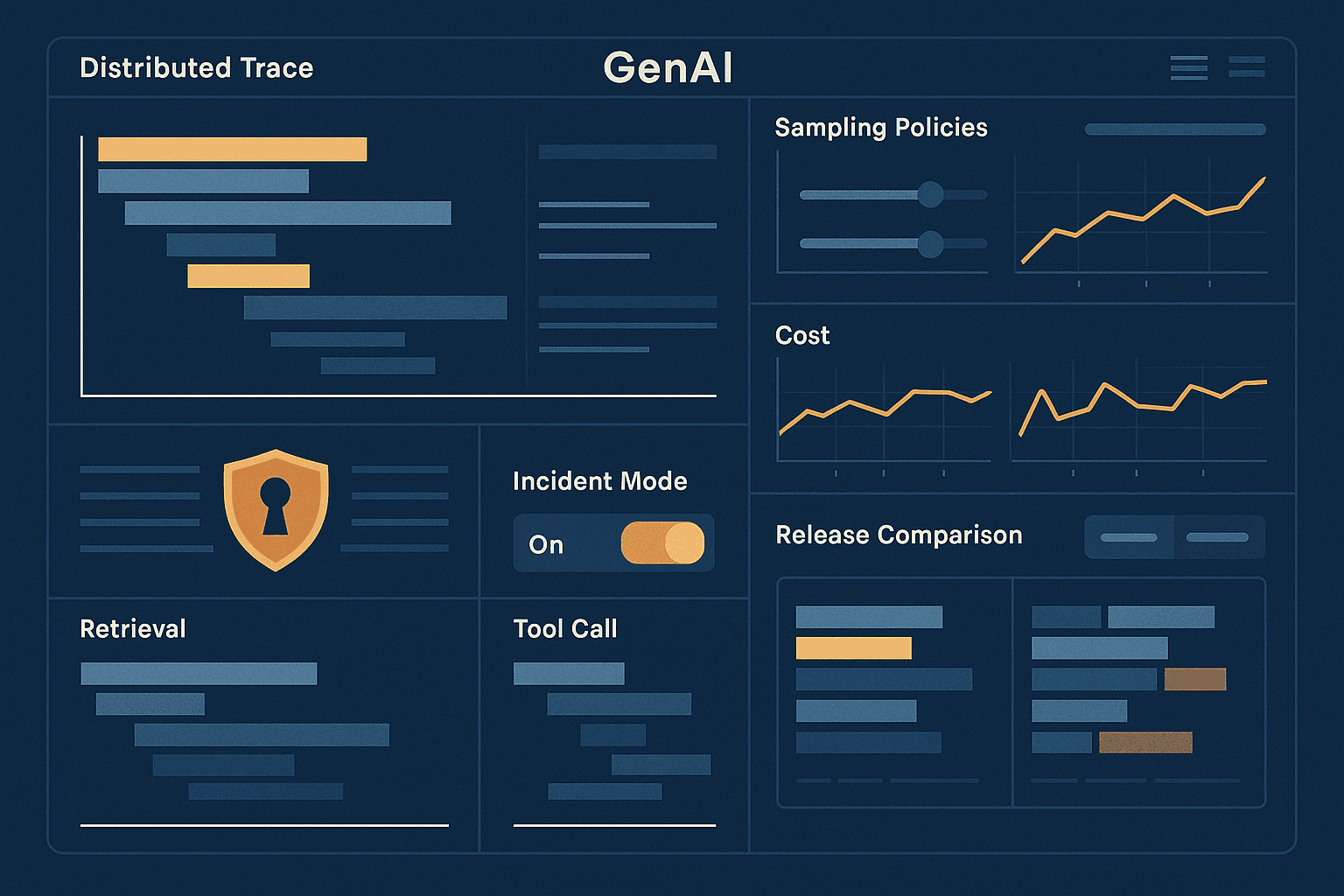
How to sample traces, prompts, retrieval payloads and outputs without losing debuggability or eval signal, or exposing sensitive data.
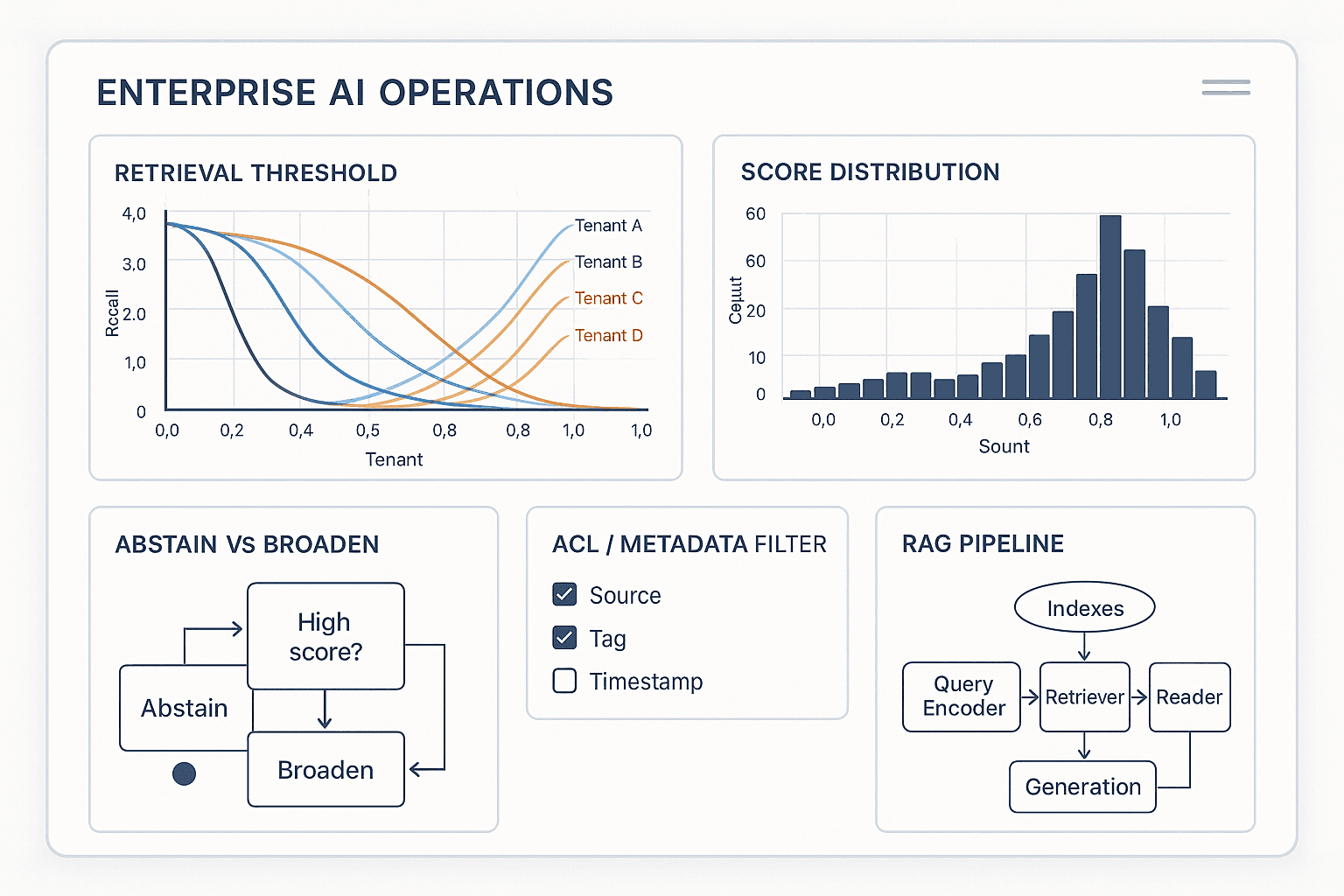
Why one global score cutoff fails in enterprise RAG, and how to tune retrieval and reranker thresholds per tenant, corpus and query class.
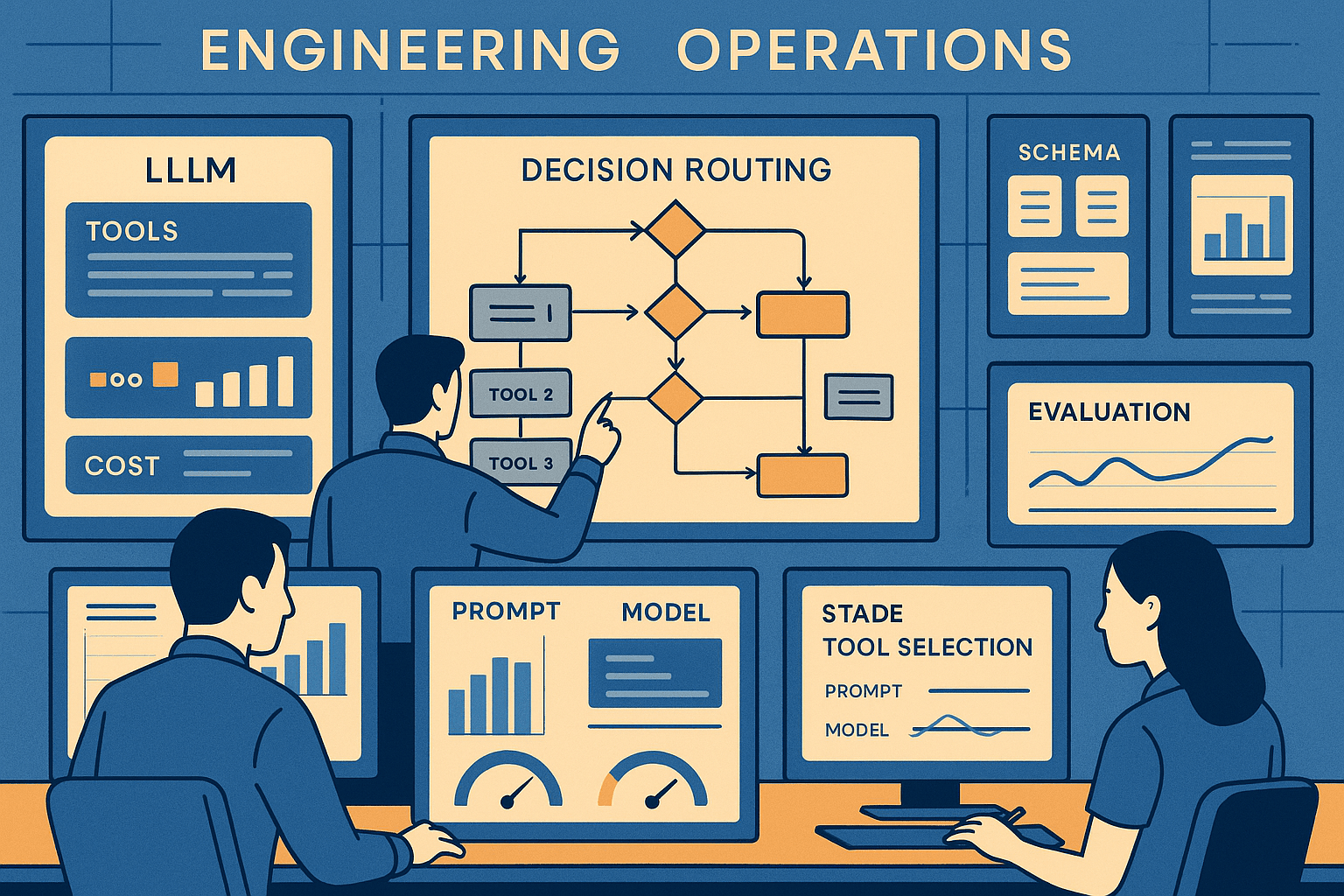
How to make agent tool selection consistent as prompts, schemas, models and tool catalogs change, and reduce flaky action choices.
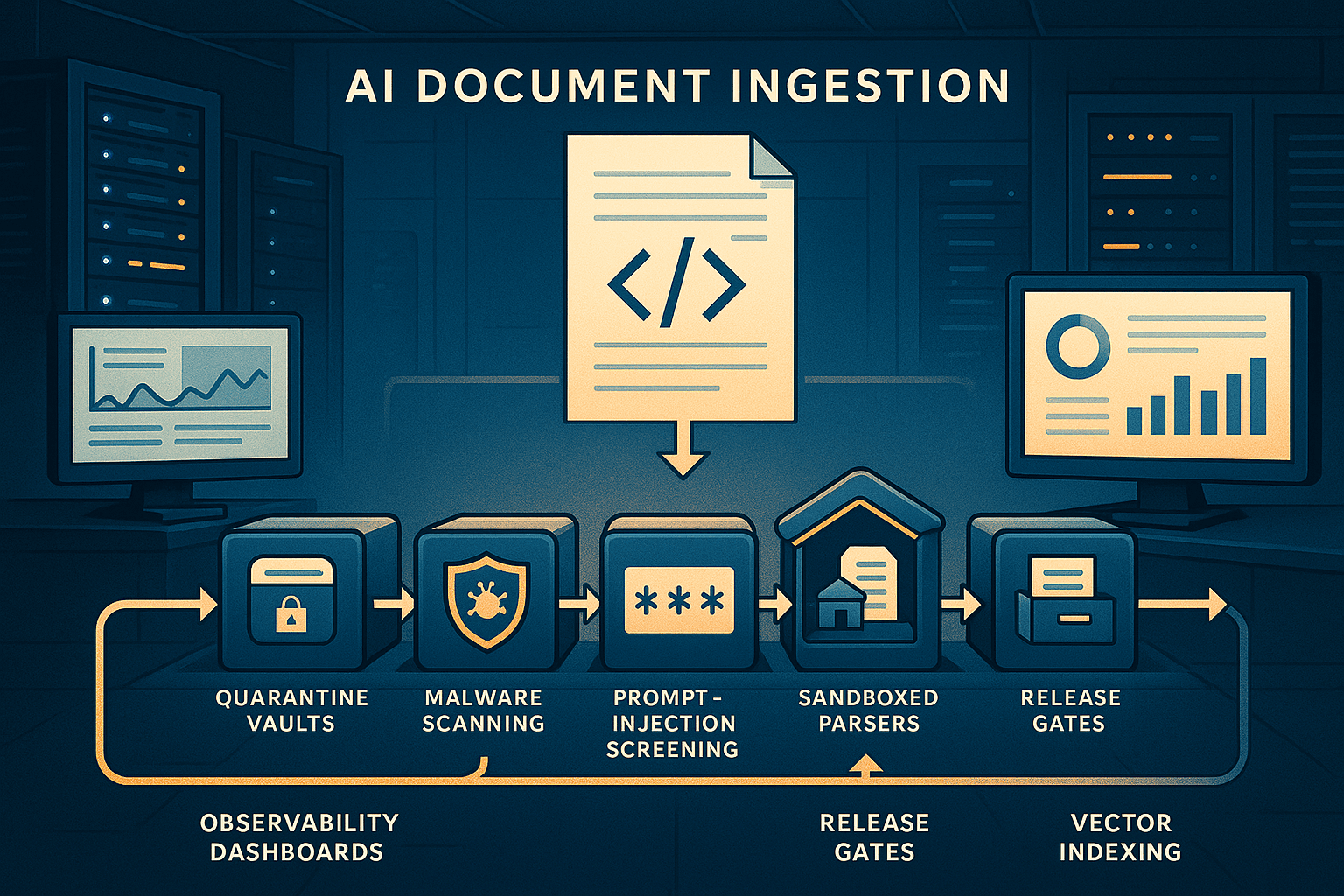
How to isolate and sanitize untrusted documents before enterprise RAG indexing, with risk scoring, sandboxing and staged release gates.
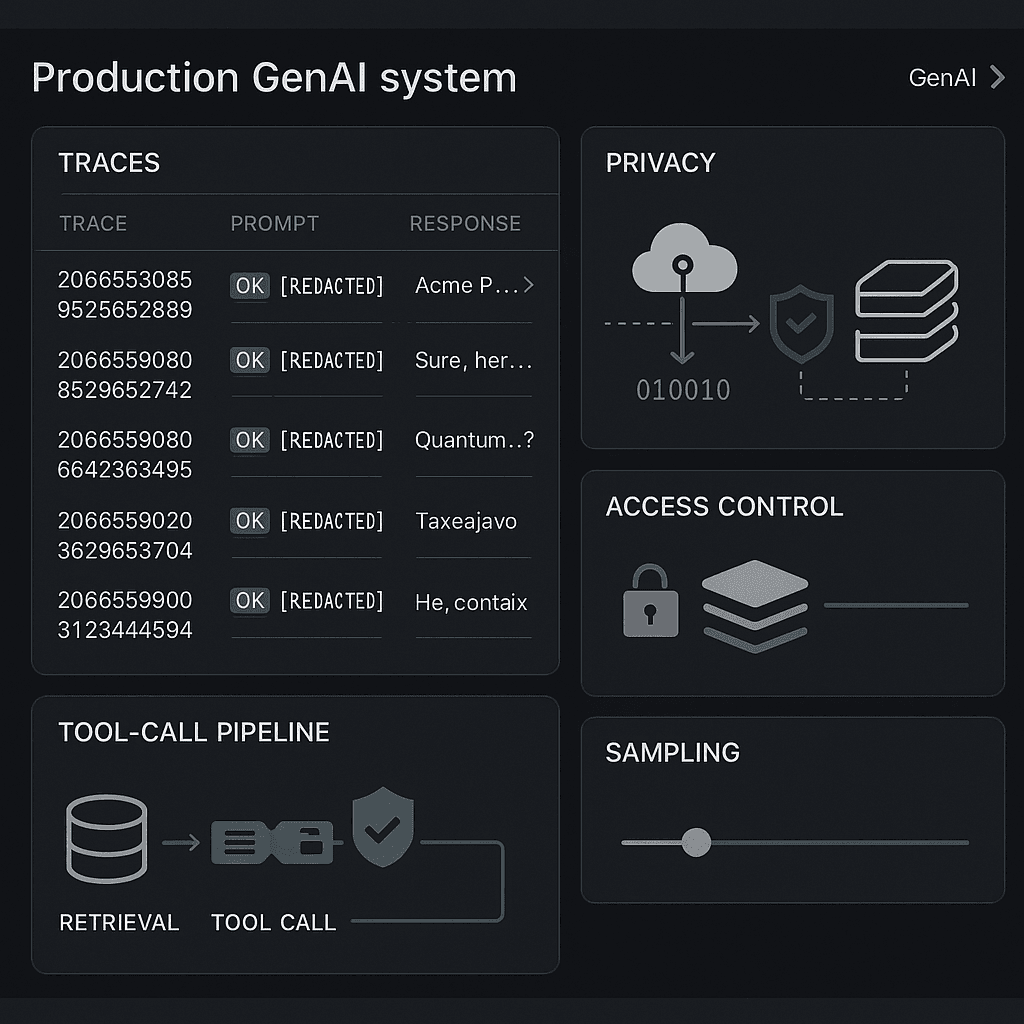
How to keep GenAI logs useful while protecting sensitive data through redaction, tokenization, sampling and trace design.