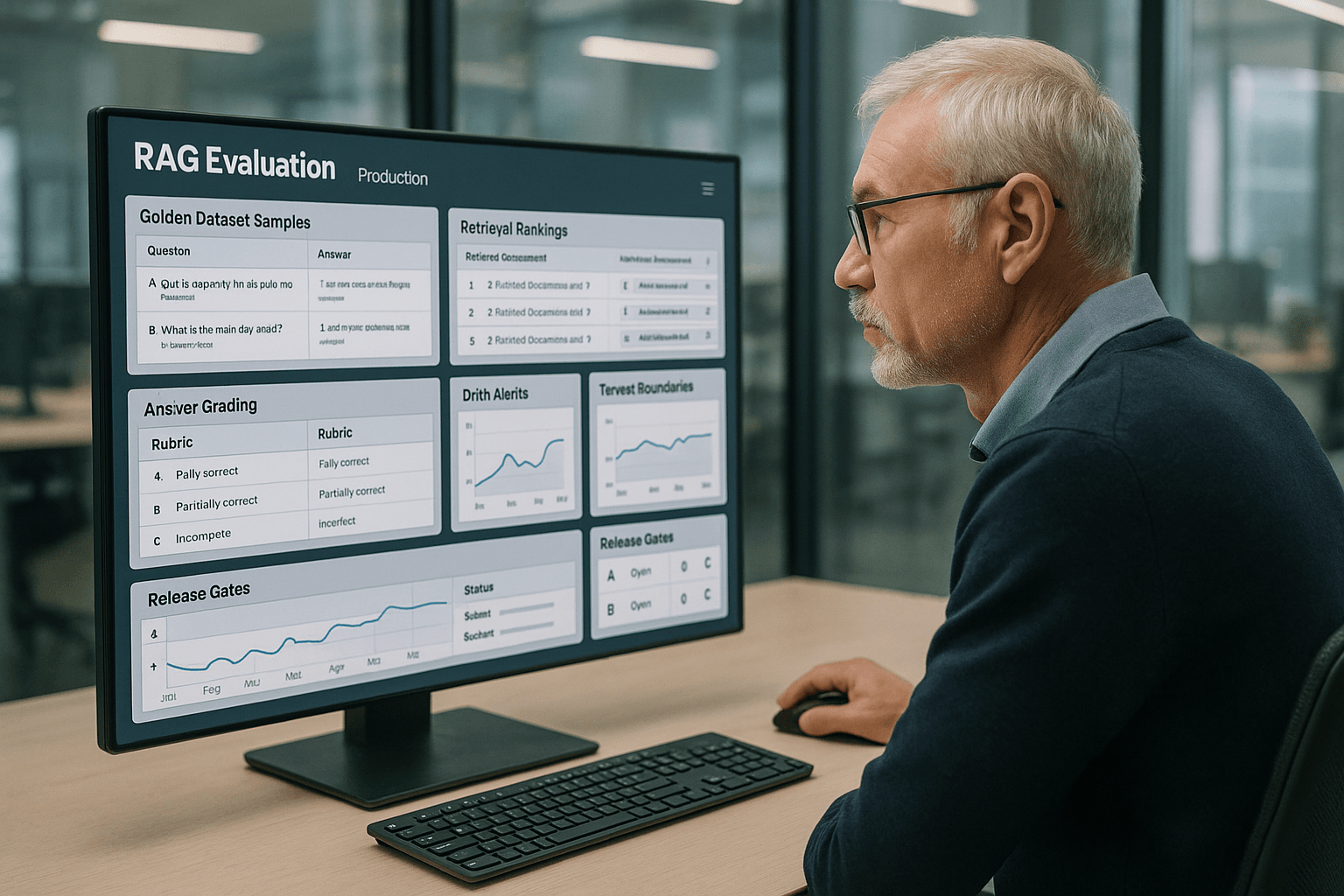
Building a Golden Set for Production RAG
How to curate, refresh and use a high-signal RAG golden set: real queries, retrieval and answer labels, edge cases and drift refreshes.
GenAI Consulting25 min read
Practical guides, architecture notes, and lessons from shipping GenAI to production.
How to curate, refresh and use a high-signal RAG golden set: real queries, retrieval and answer labels, edge cases and drift refreshes.
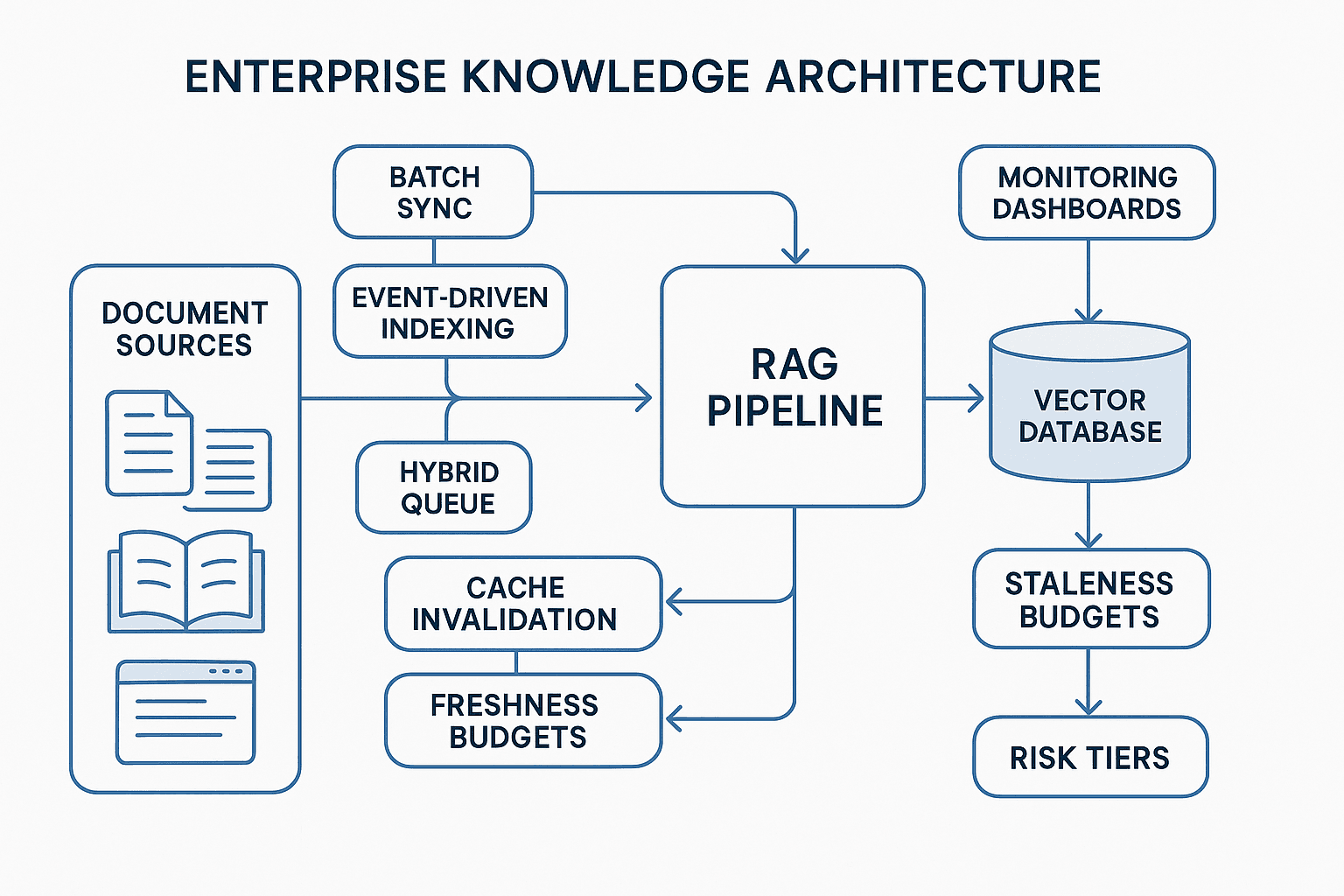
How to set freshness targets for enterprise RAG and design sync, reindexing, cache invalidation and staleness budgets around each use case.
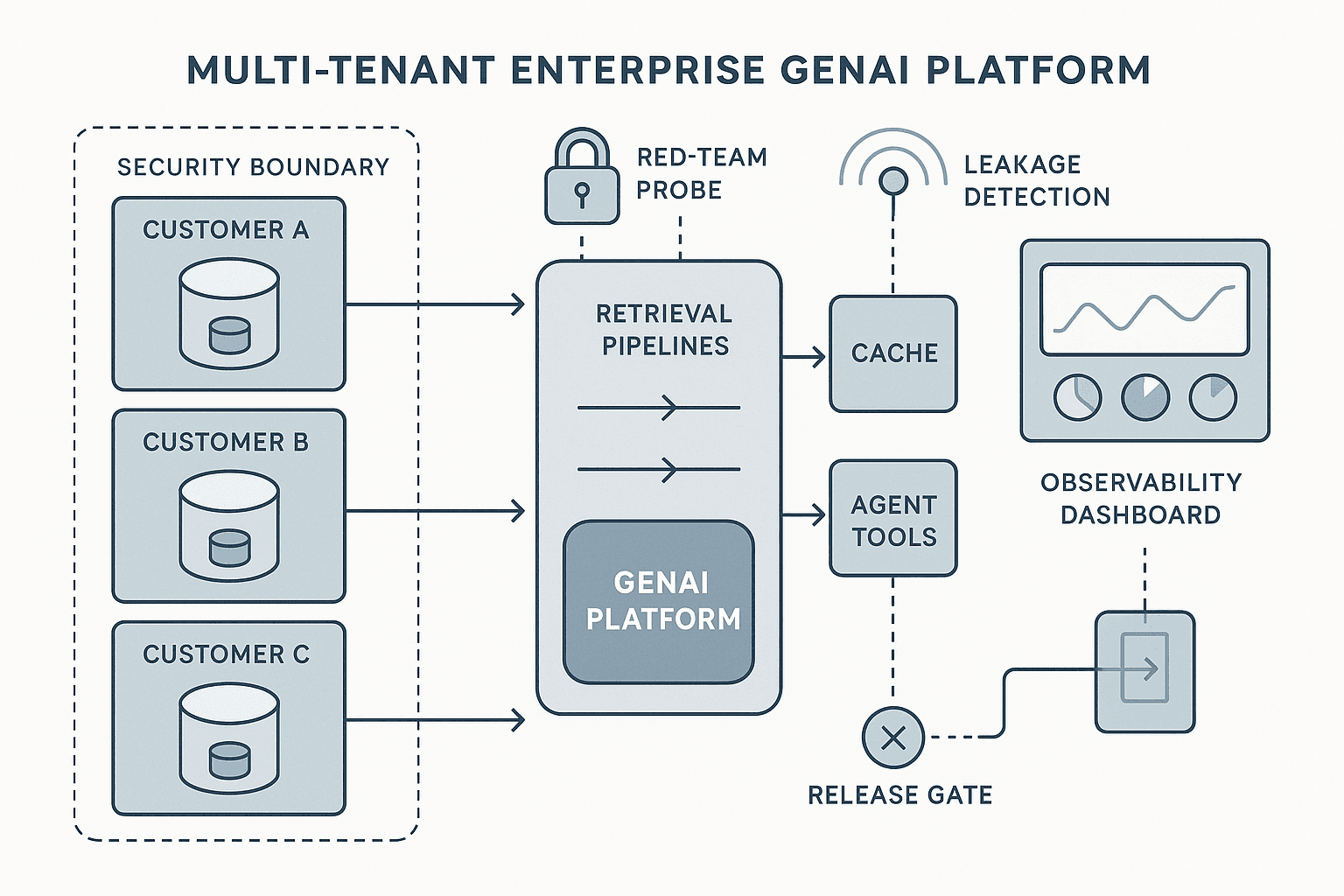
How to build tenant-aware evals and release gates for multi-tenant GenAI, with leakage probes for RAG, caches, agents, memory and observability.
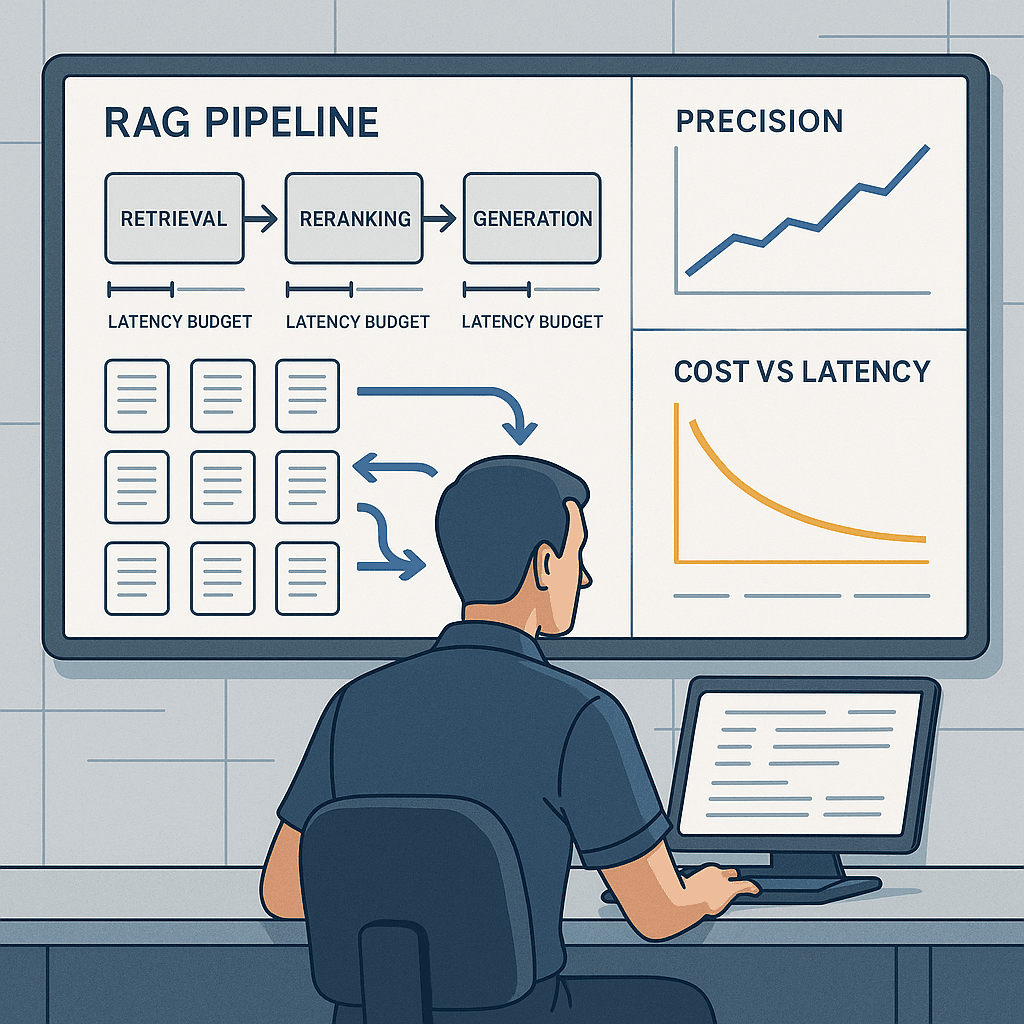
How to add reranking to production RAG: architecture, model choices, candidate sizing, score fusion, evals and latency and cost tradeoffs.
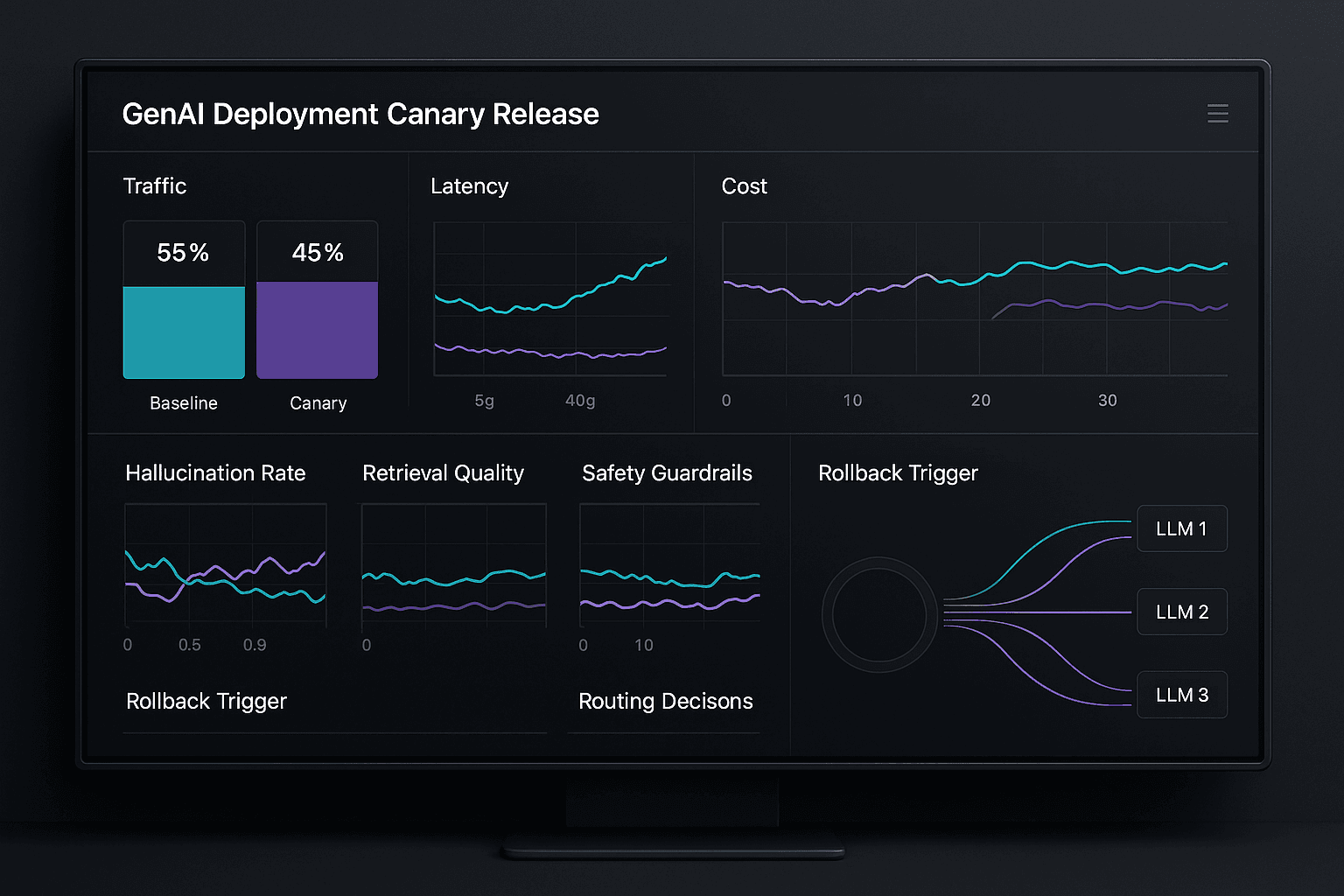
How to canary prompt, retrieval, reranker, model and routing changes with traffic shaping, guardrails, evals and rollback triggers.
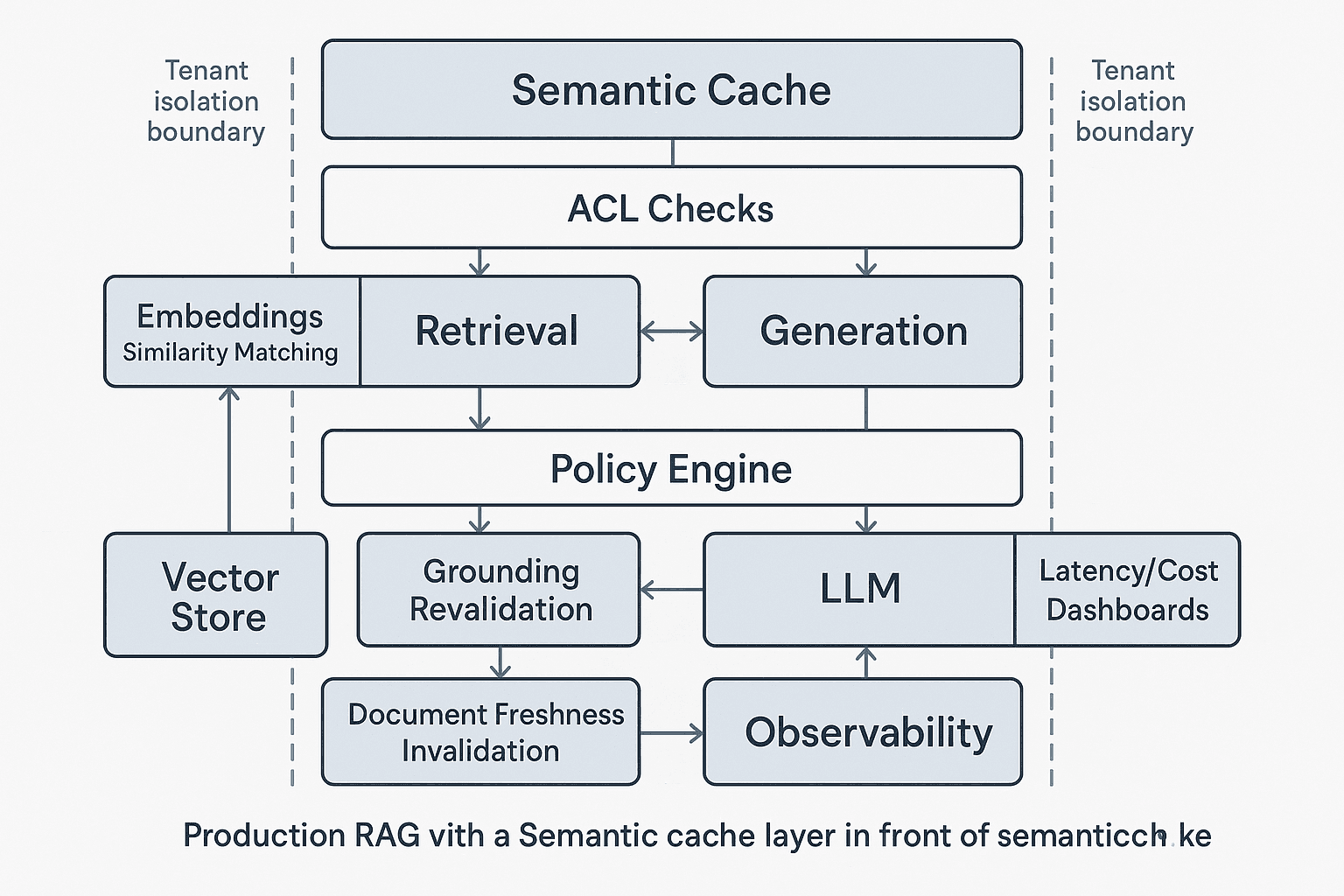
How to design semantic caching for RAG: answer vs retrieval caching, ACL isolation, grounding revalidation, freshness invalidation and risk scoring.
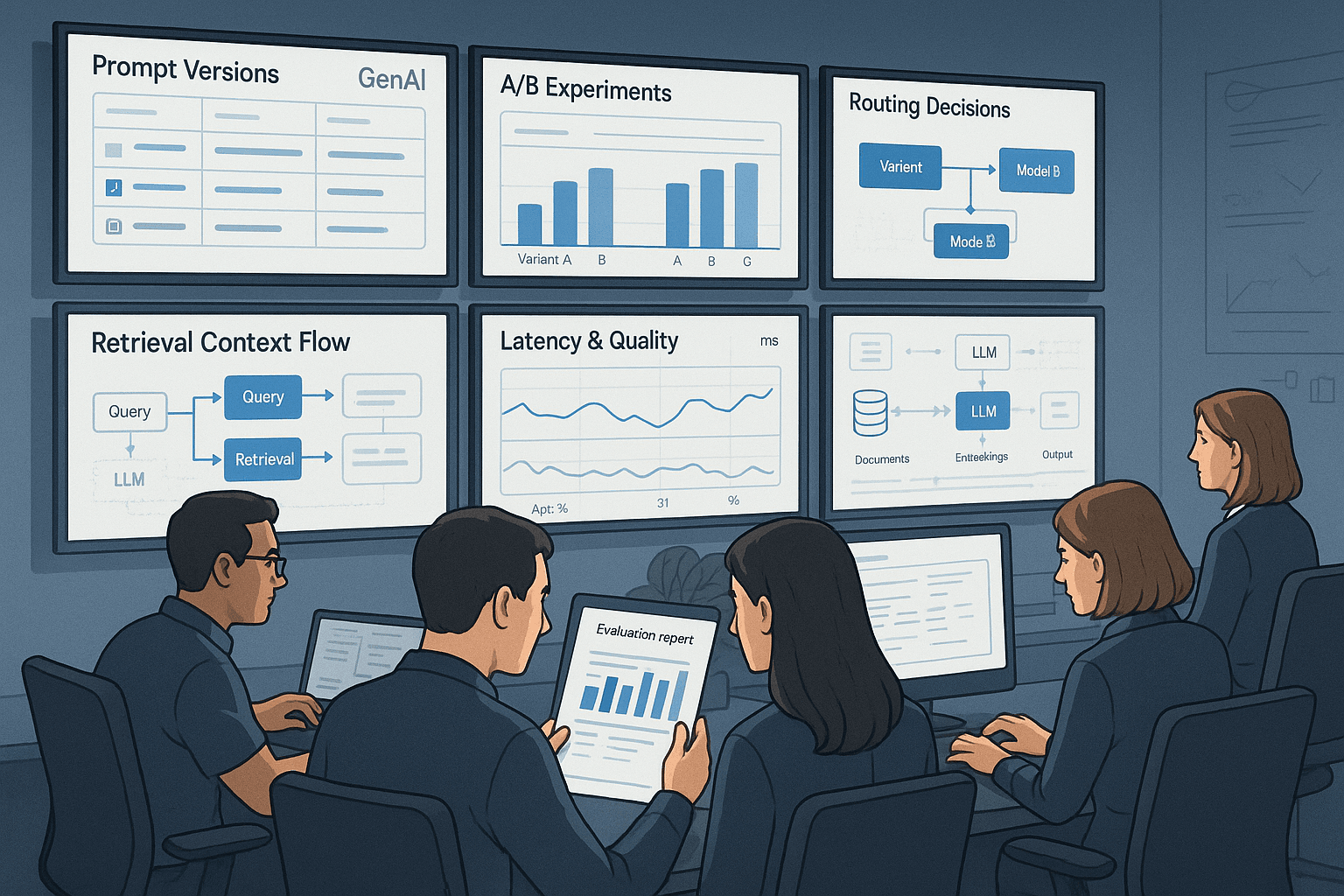
How to treat prompt optimization as engineering: experiments, versioning, routing, evals, regression gates and observability before you fine-tune.
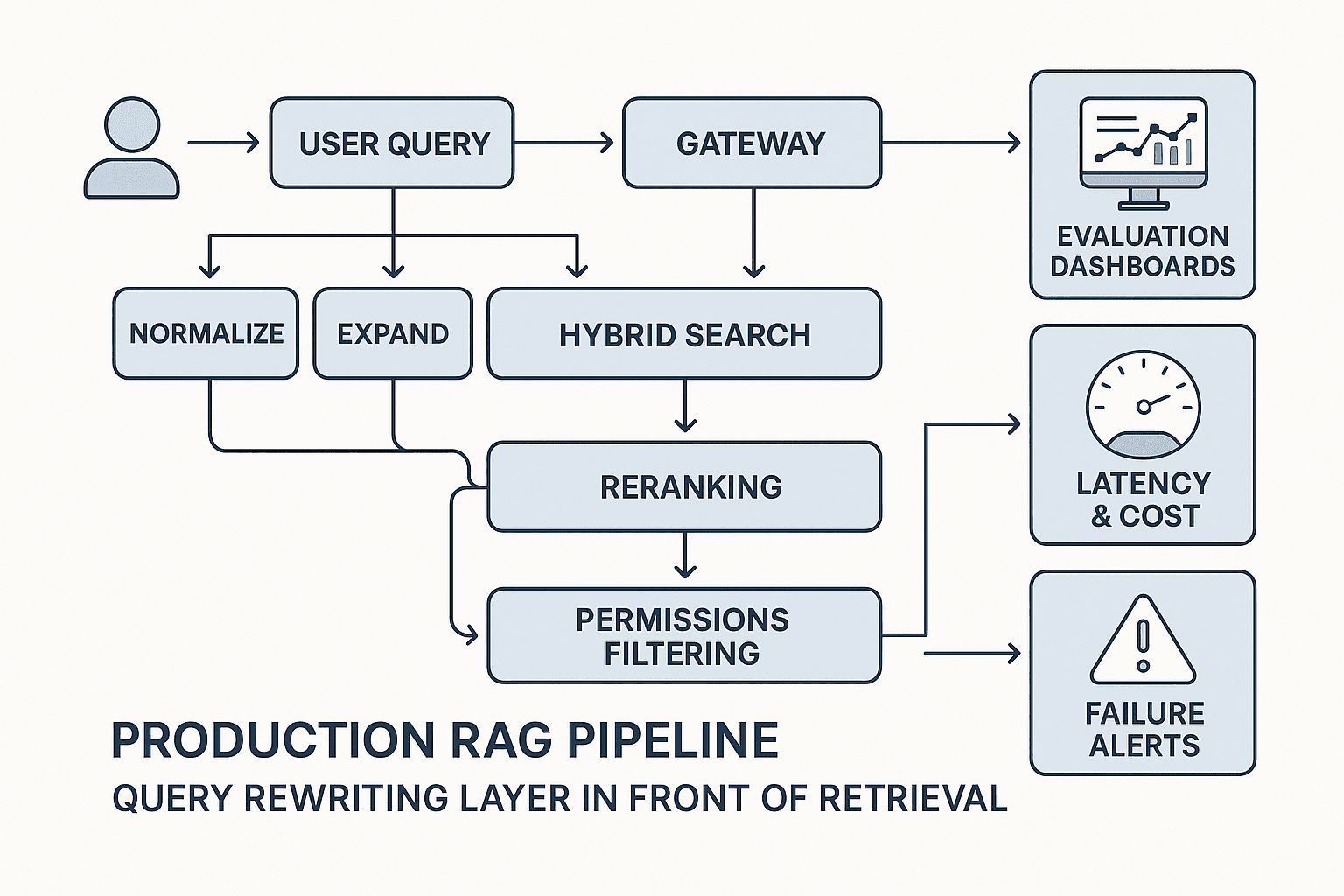
When to rewrite, expand or decompose queries in RAG, how to preserve intent and permissions, and how to evaluate the effect on retrieval.
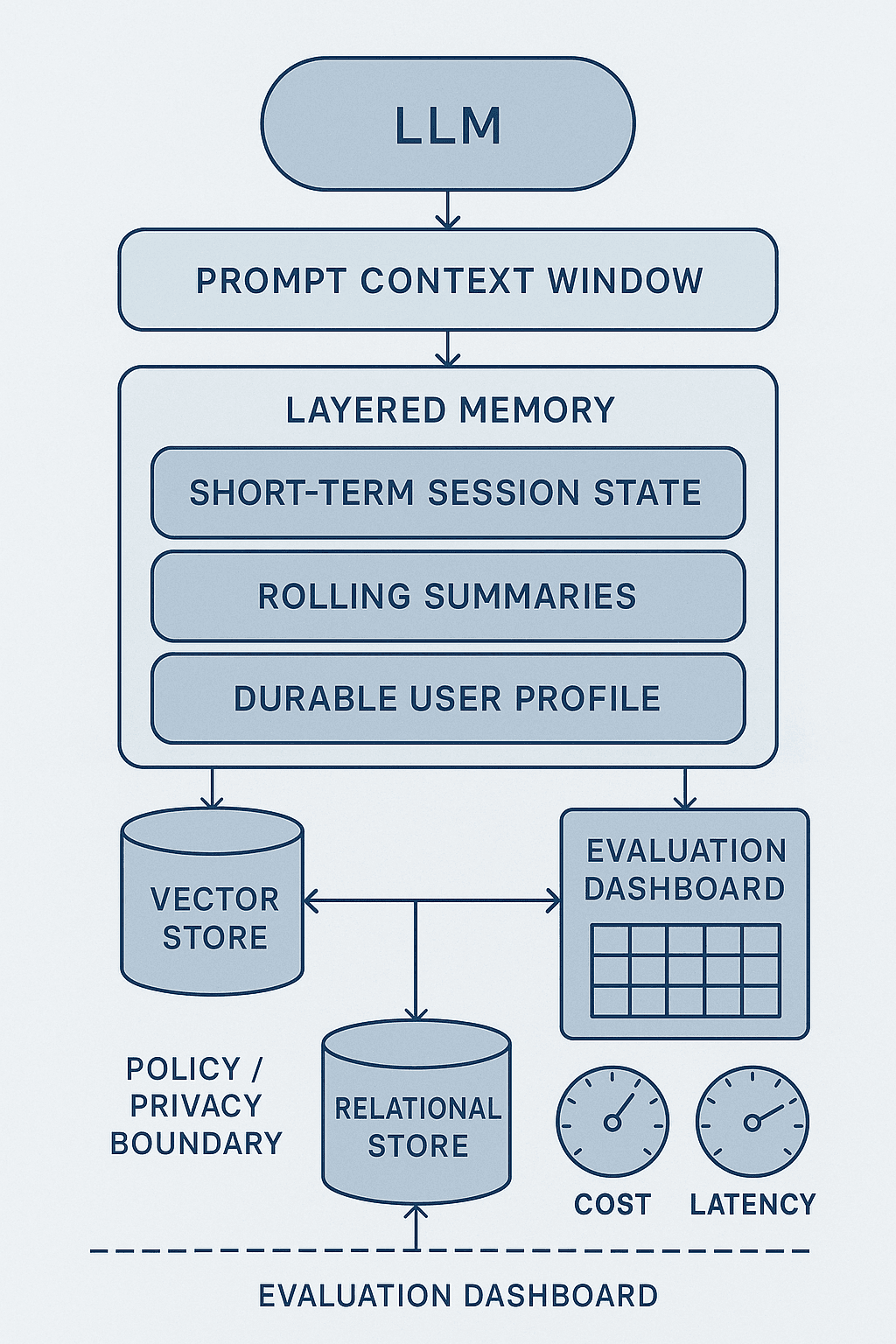
How to design short-term and long-term memory for LLM apps: session state, summaries, profiles, external stores, privacy boundaries and debugging.
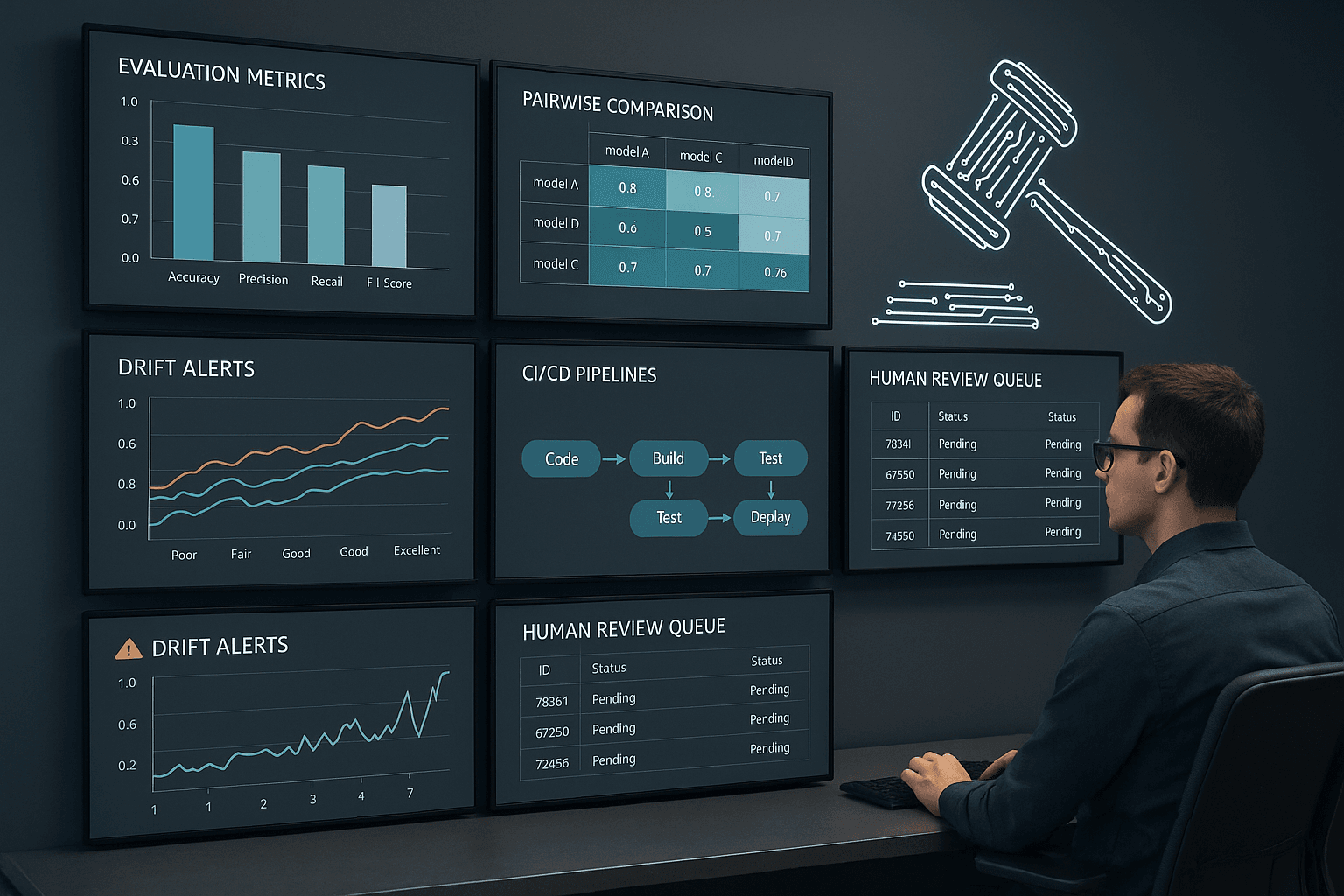
How to run LLM-as-judge evaluation that avoids bias, leakage and false confidence through calibration, cross-model checks and human review.
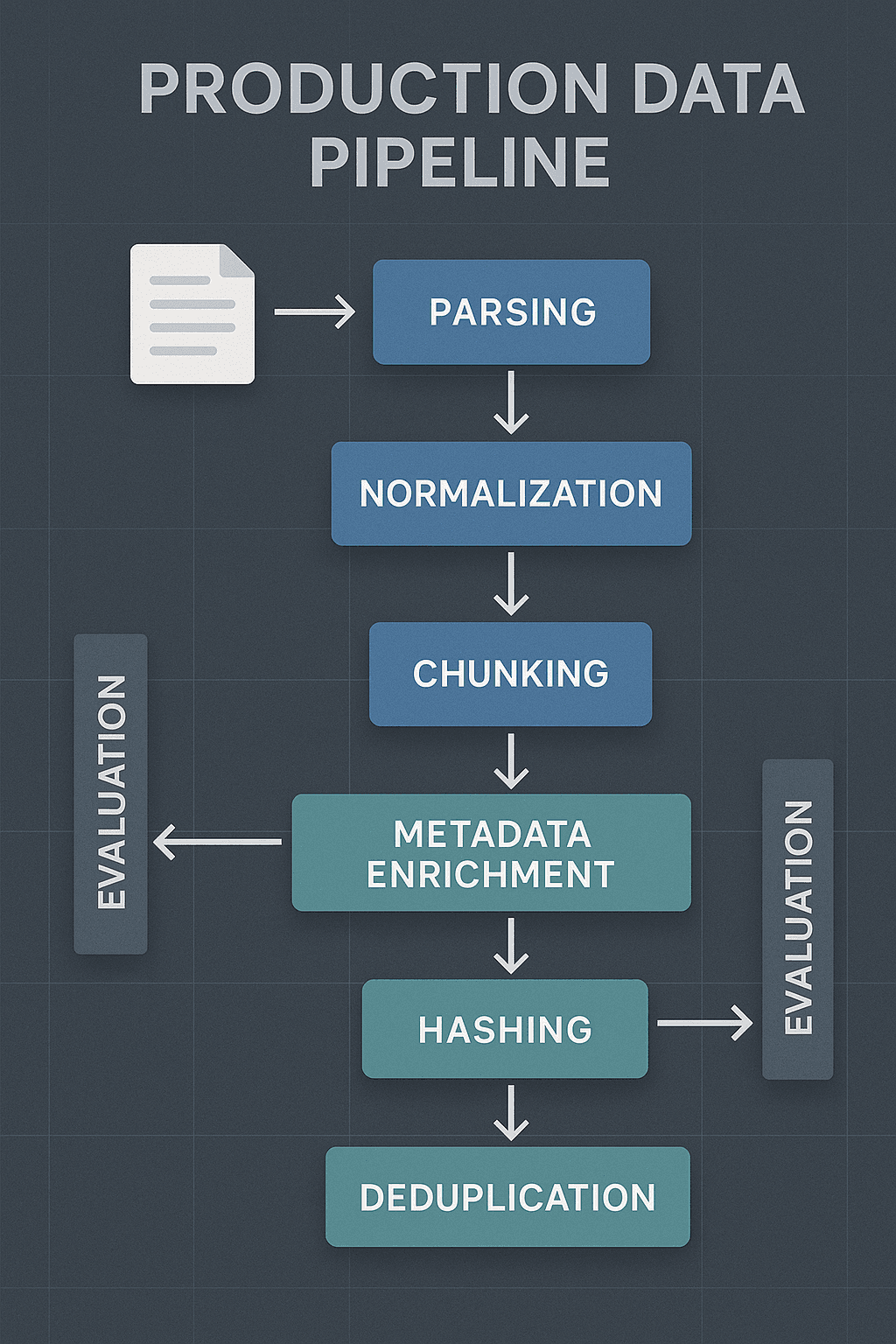
How to build RAG preprocessing that survives production: stable parsing, chunking, metadata, hashing, lineage, regression tests and rollout.
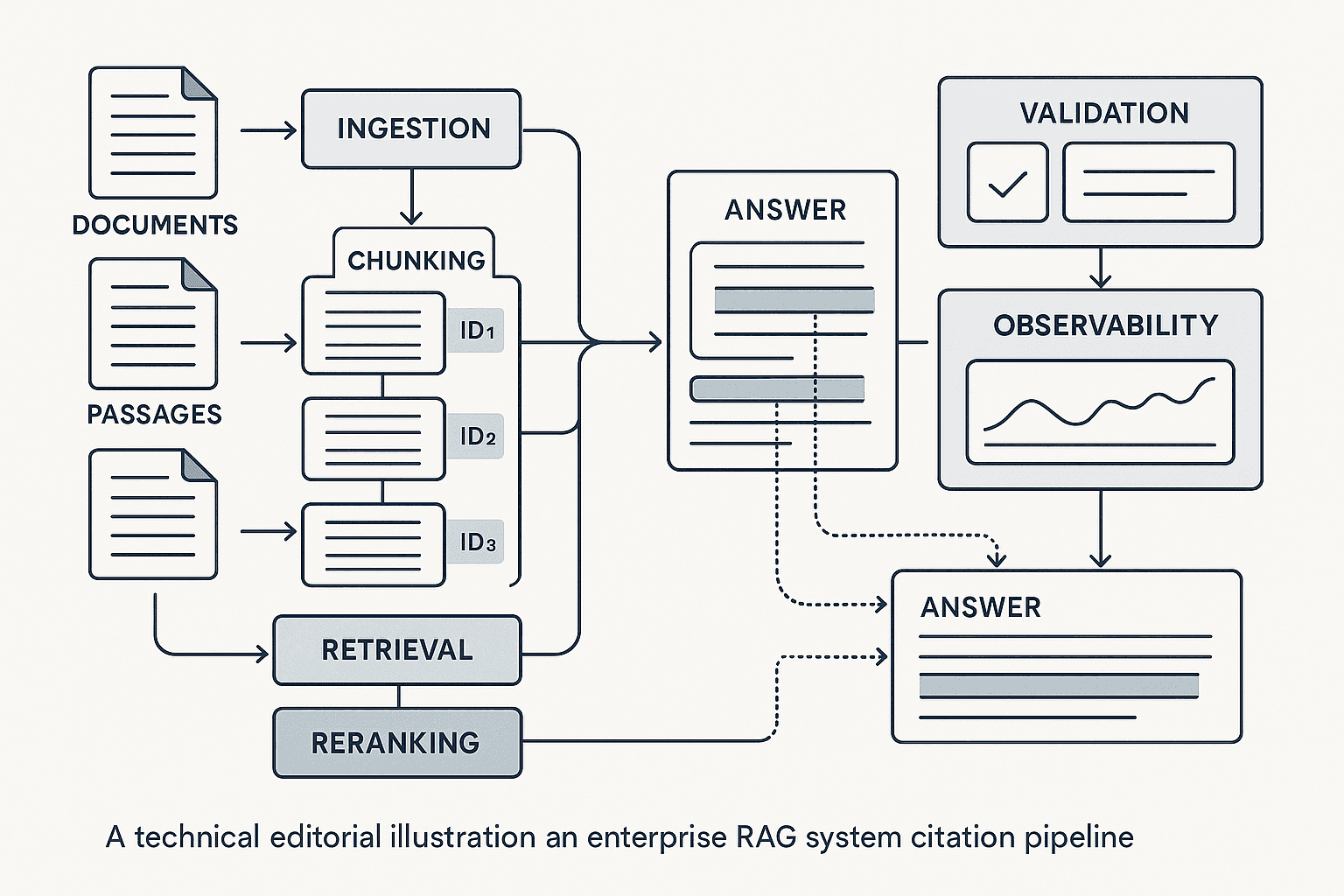
How to build enterprise RAG citations that are verifiable and stable, with passage-level attribution, stable IDs, span alignment and validation.