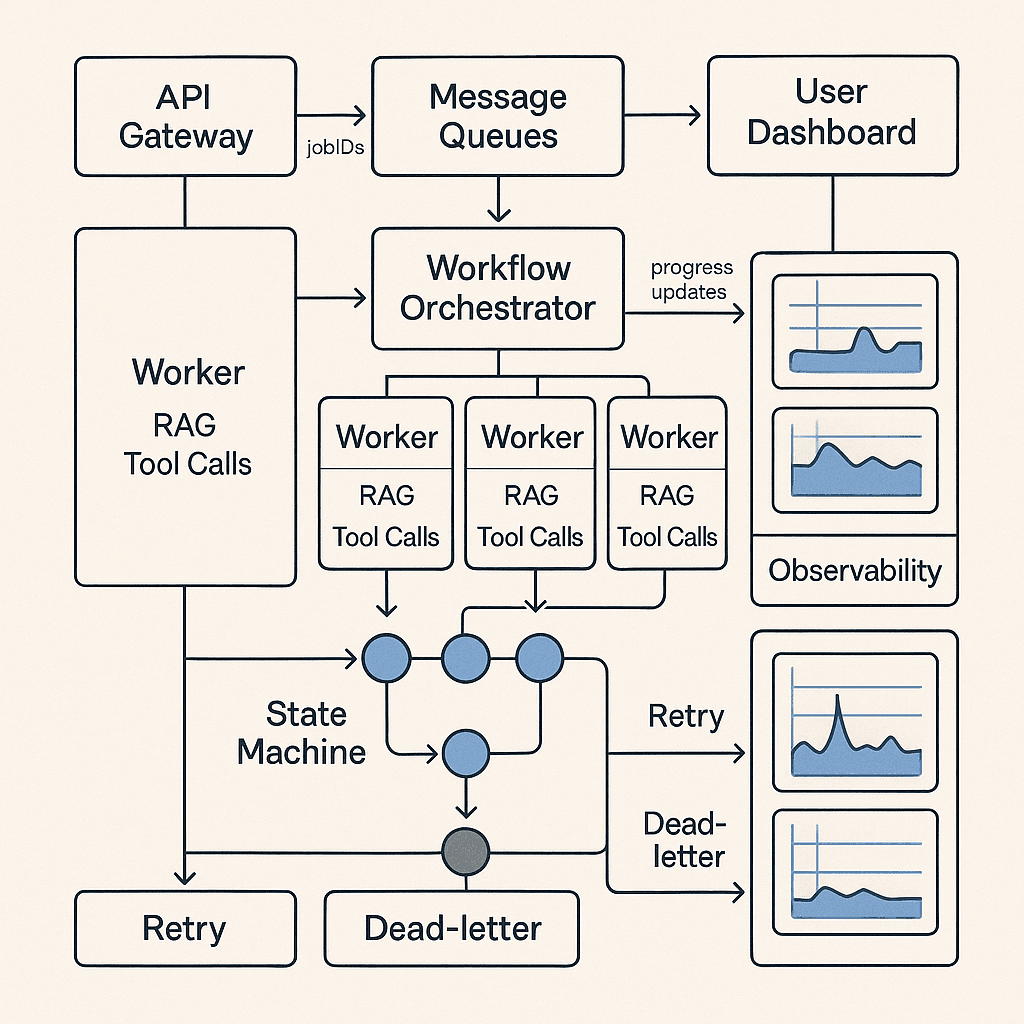
Async and Queue-Based Long-Running LLM Workflows
How to move long-running, tool-using LLM tasks out of the request path with async APIs, queues, resumable workflows, retries and observability.
GenAI Consulting26 min read
Practical guides, architecture notes, and lessons from shipping GenAI to production.
How to move long-running, tool-using LLM tasks out of the request path with async APIs, queues, resumable workflows, retries and observability.
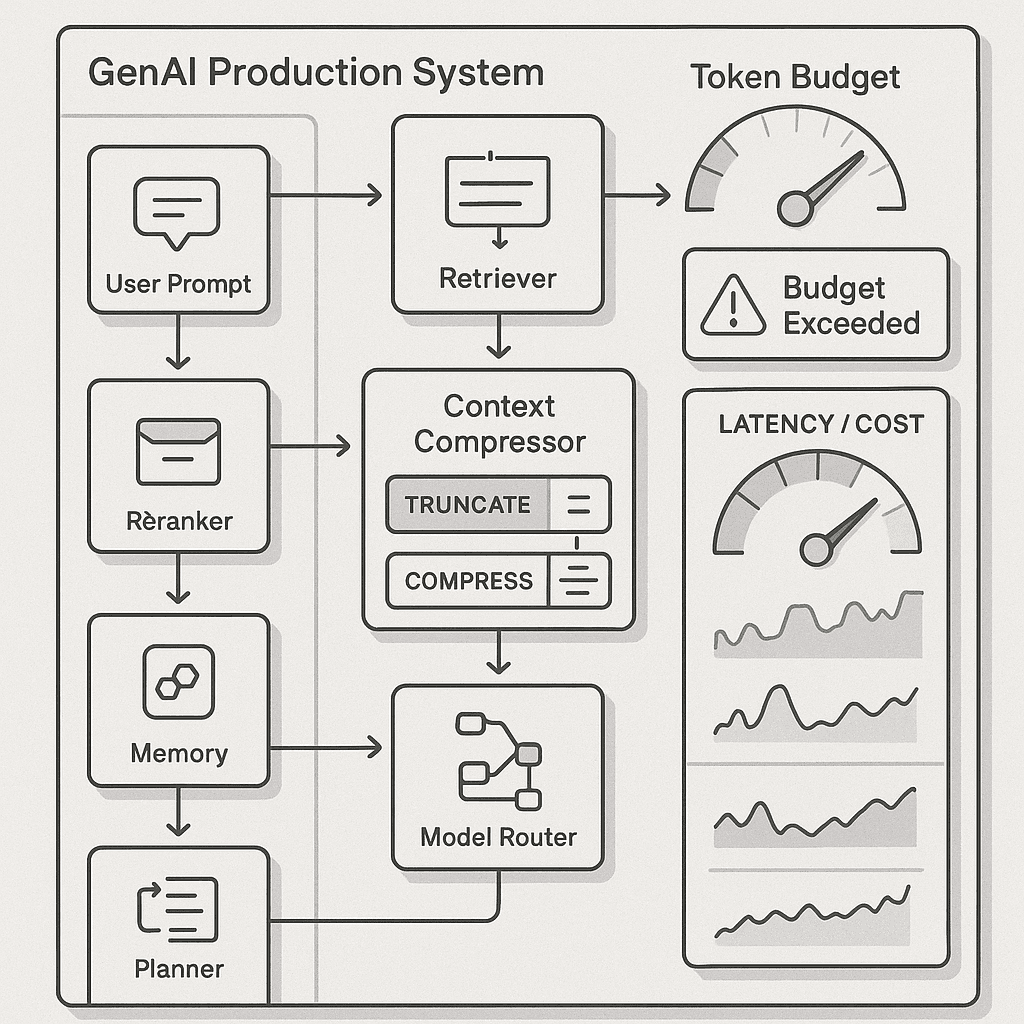
How to design agentic and RAG systems around token limits with budgeting, compression, adaptive context, routing, evals and observability.
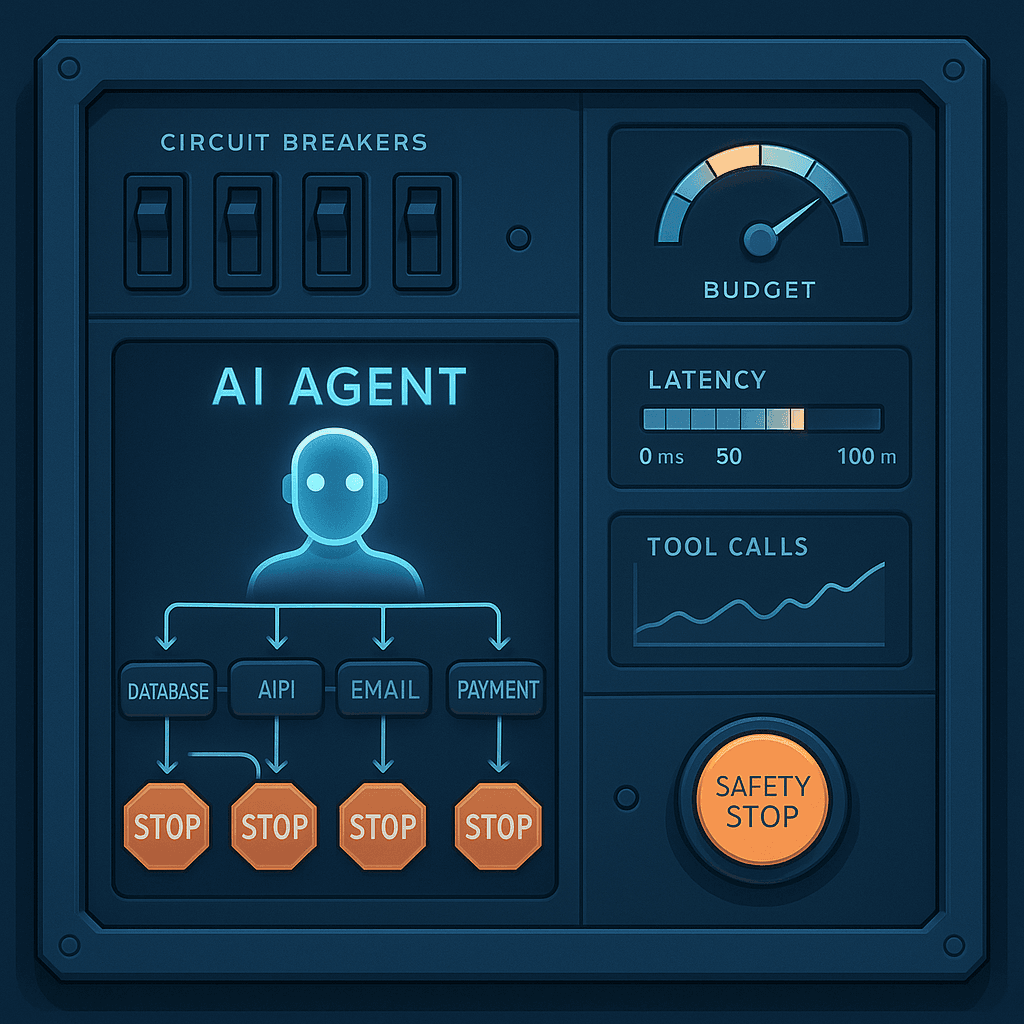
How to stop runaway agent tool loops with runtime trip conditions, budgets, side-effect containment, fallbacks and observability.
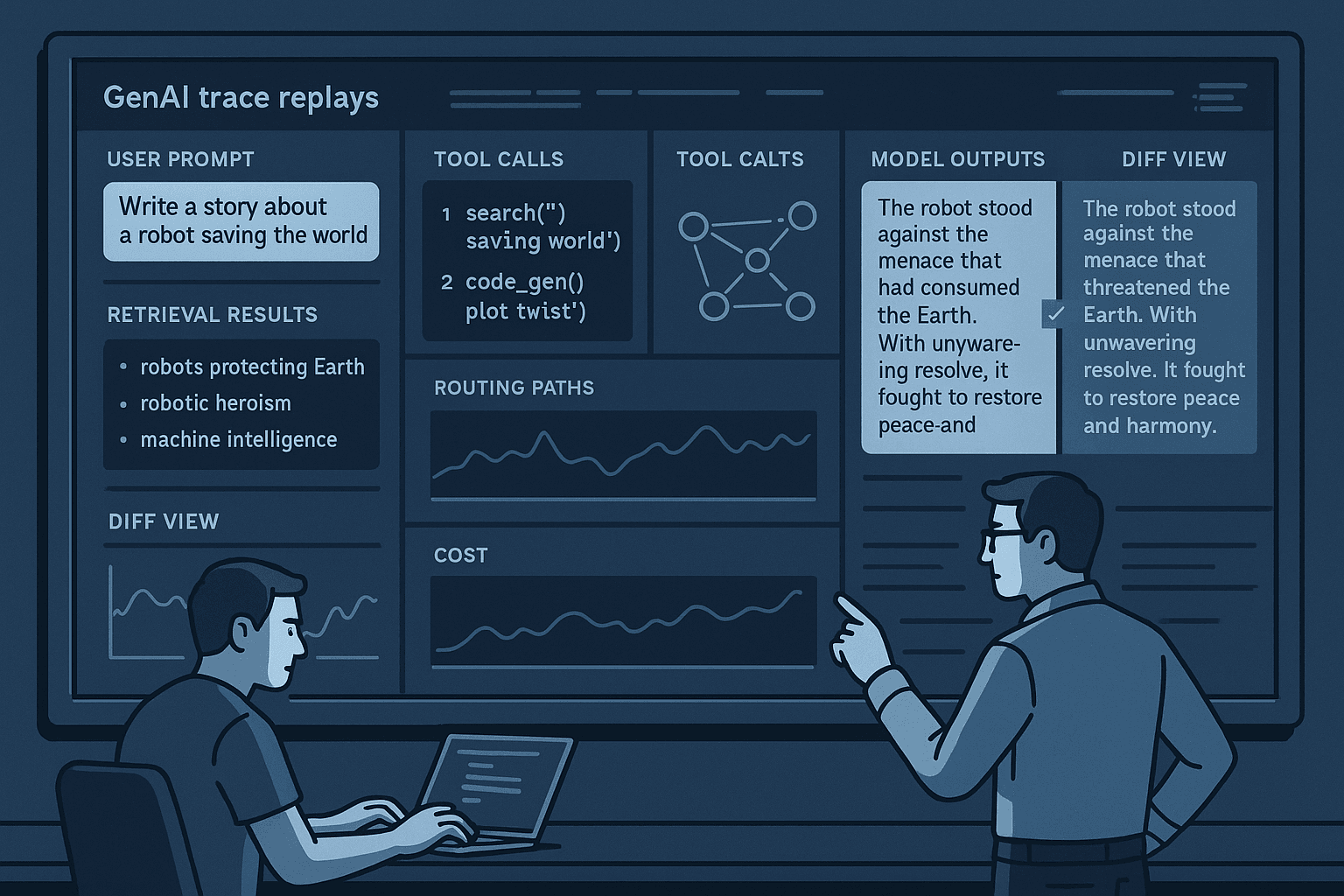
How to build offline replay harnesses that use real traces to validate prompt, retrieval, routing and tool changes before release.
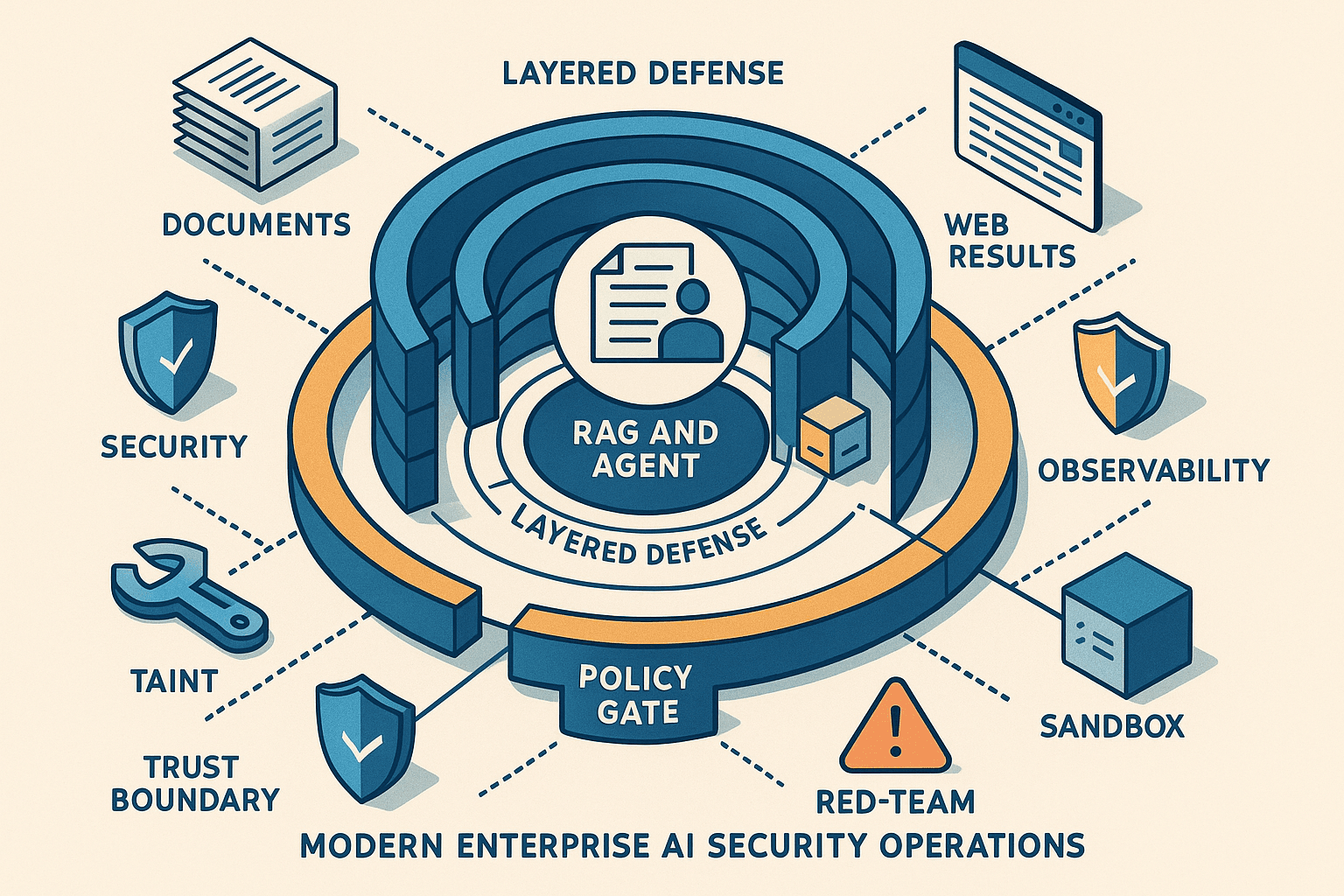
A defense-in-depth playbook for hardening enterprise RAG and agents against prompt injection across retrieval, tools, web and memory.
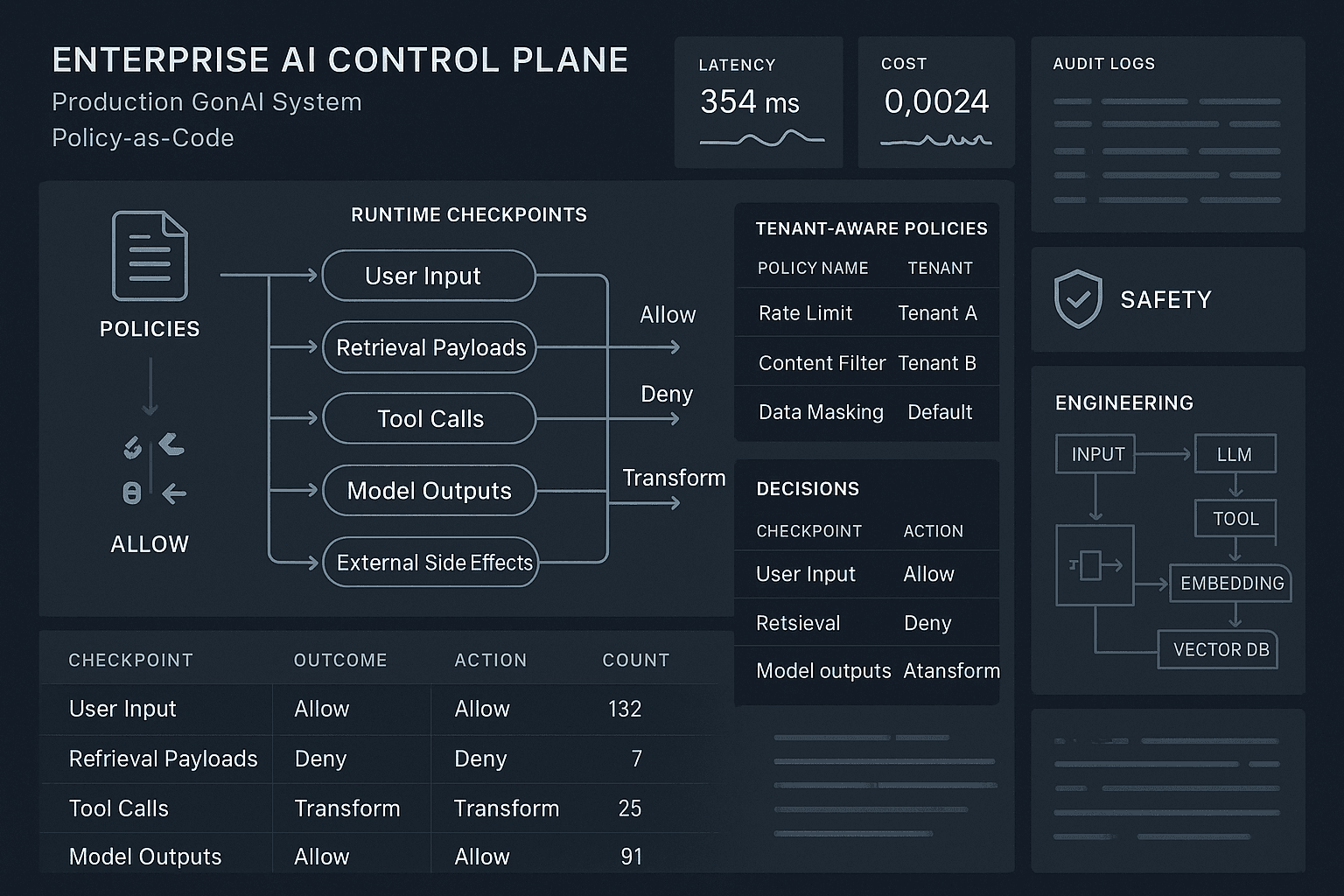
How to implement GenAI guardrails as executable policy across inputs, retrieval, tools, outputs, approvals and side effects at runtime.
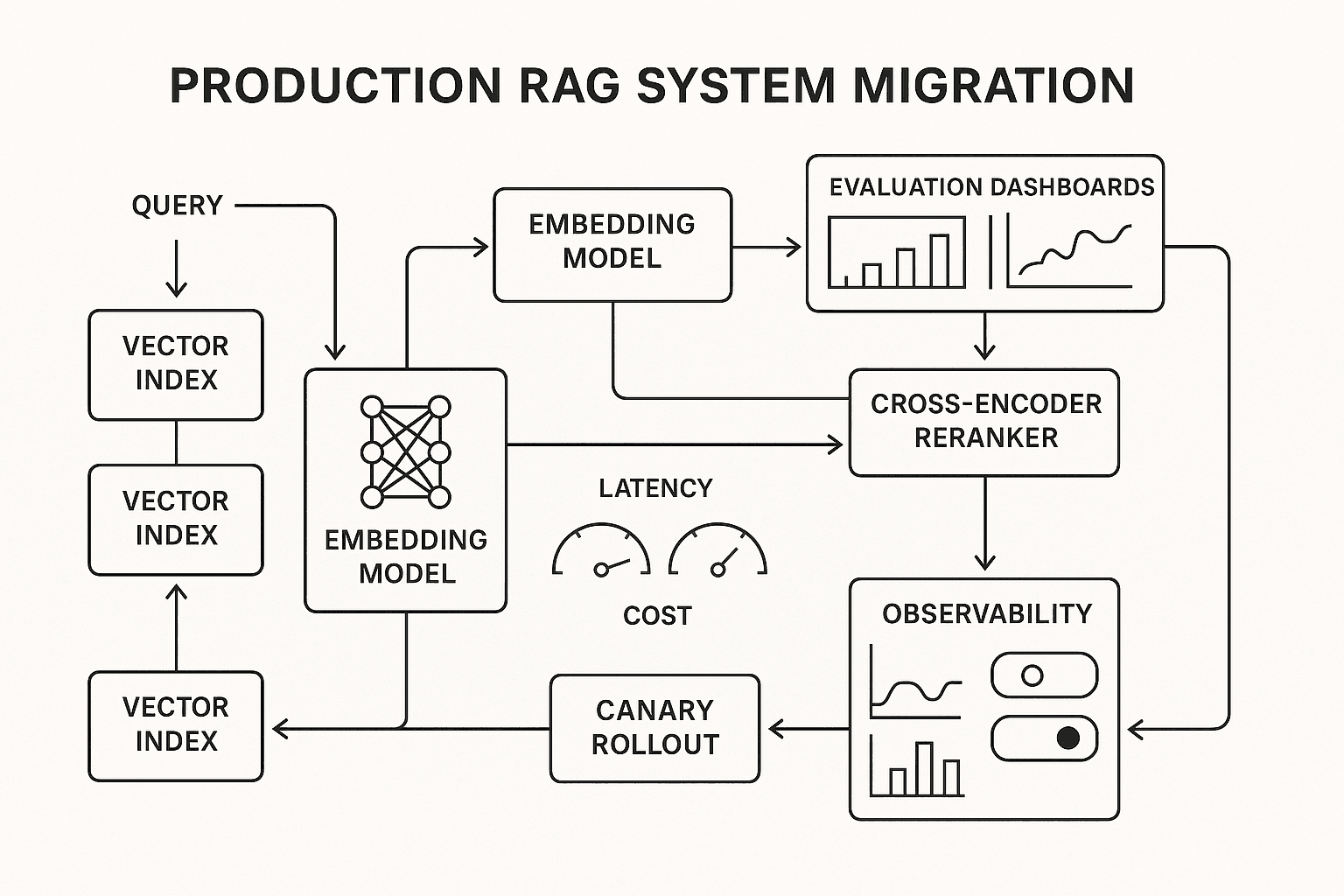
How to choose between embedding upgrades, rerankers or both in RAG, with migration patterns, evals, dual-index backfills and rollout guardrails.
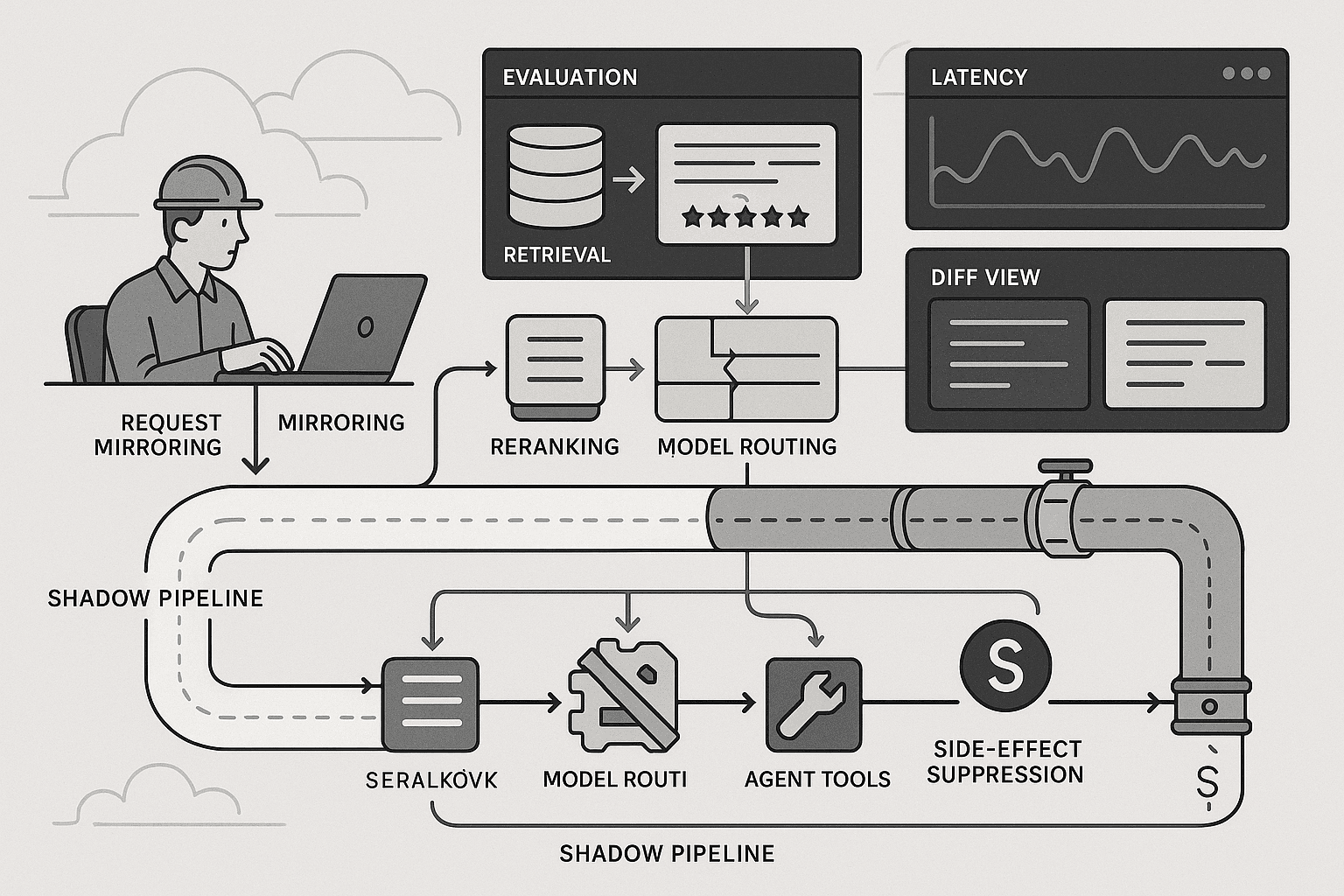
How to shadow prompt, retrieval, routing and agent policy changes on live traffic to catch regressions before users see them.
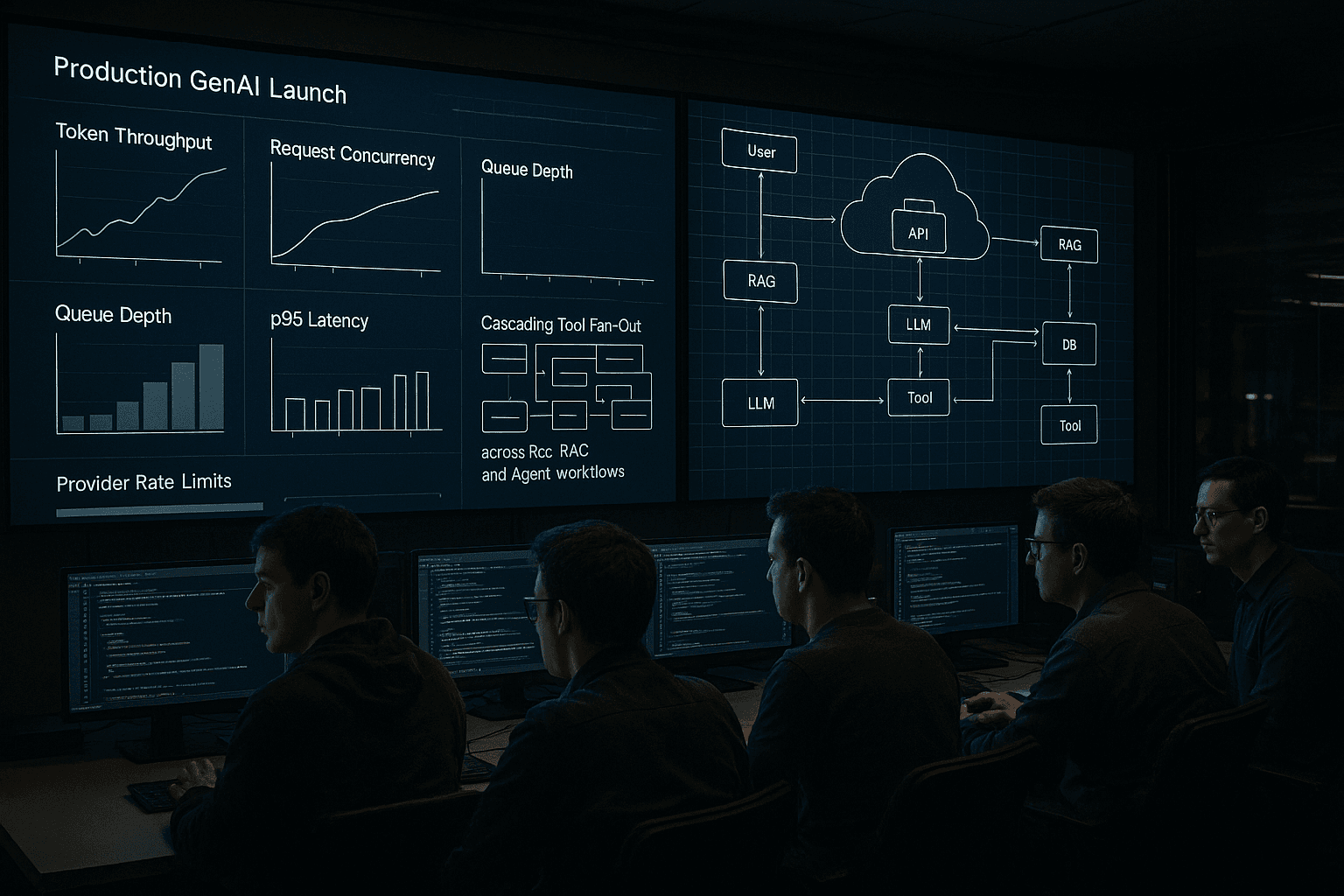
How to size tokens, throughput and concurrency before launch, covering queues, rate limits, burst behavior, backpressure and launch-day resilience.
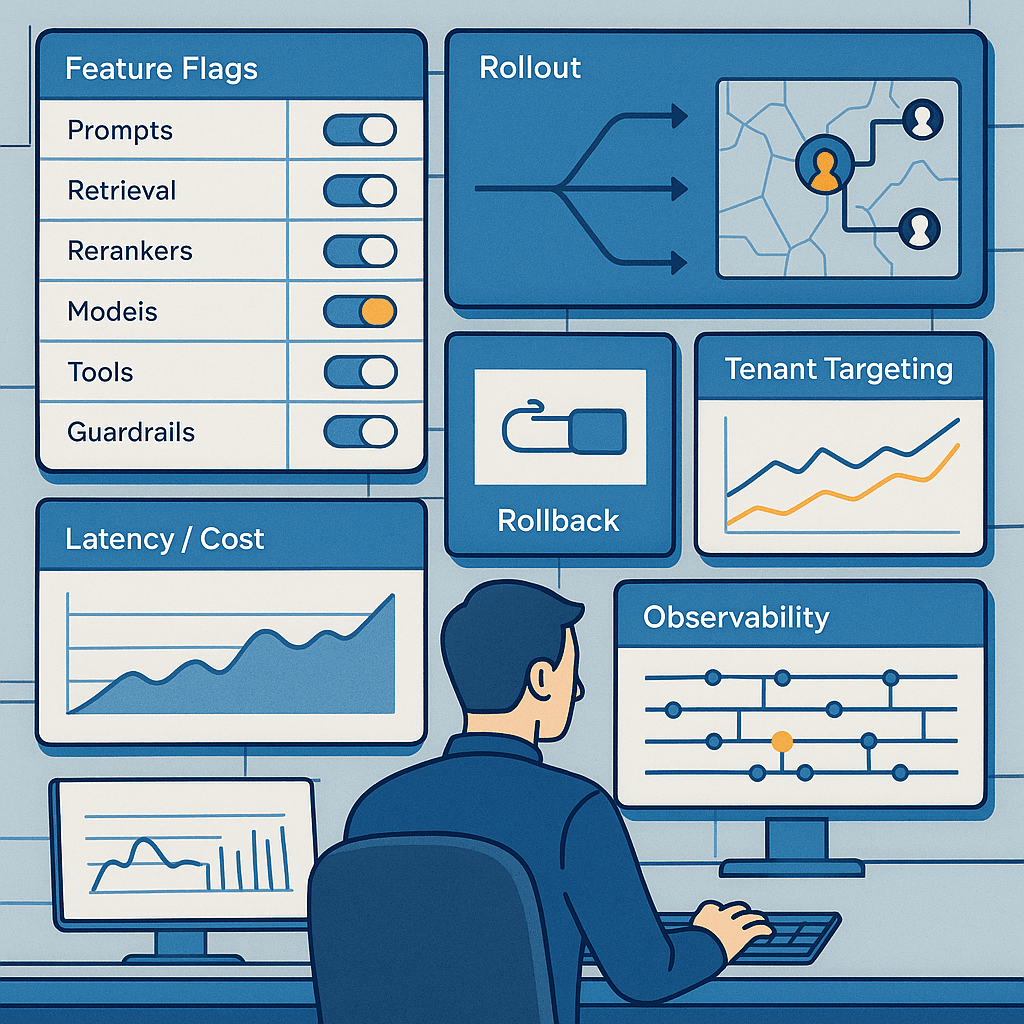
How to feature-flag prompts, retrieval, model routes, tools and guardrails so GenAI teams can ship, test, target and roll back safely.
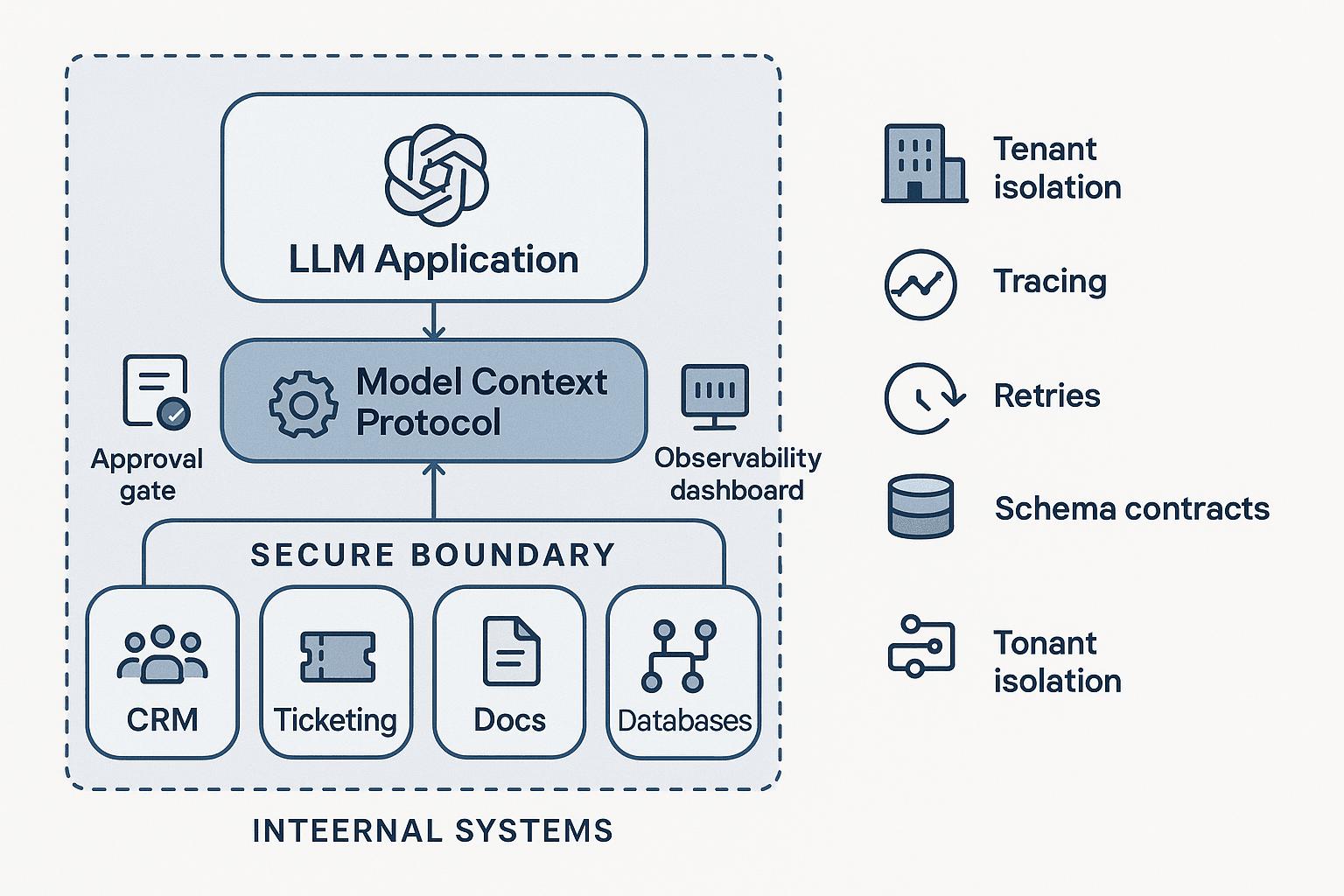
How to use MCP as a control plane for enterprise LLM tools, with patterns for contracts, auth, isolation, approvals and observability.
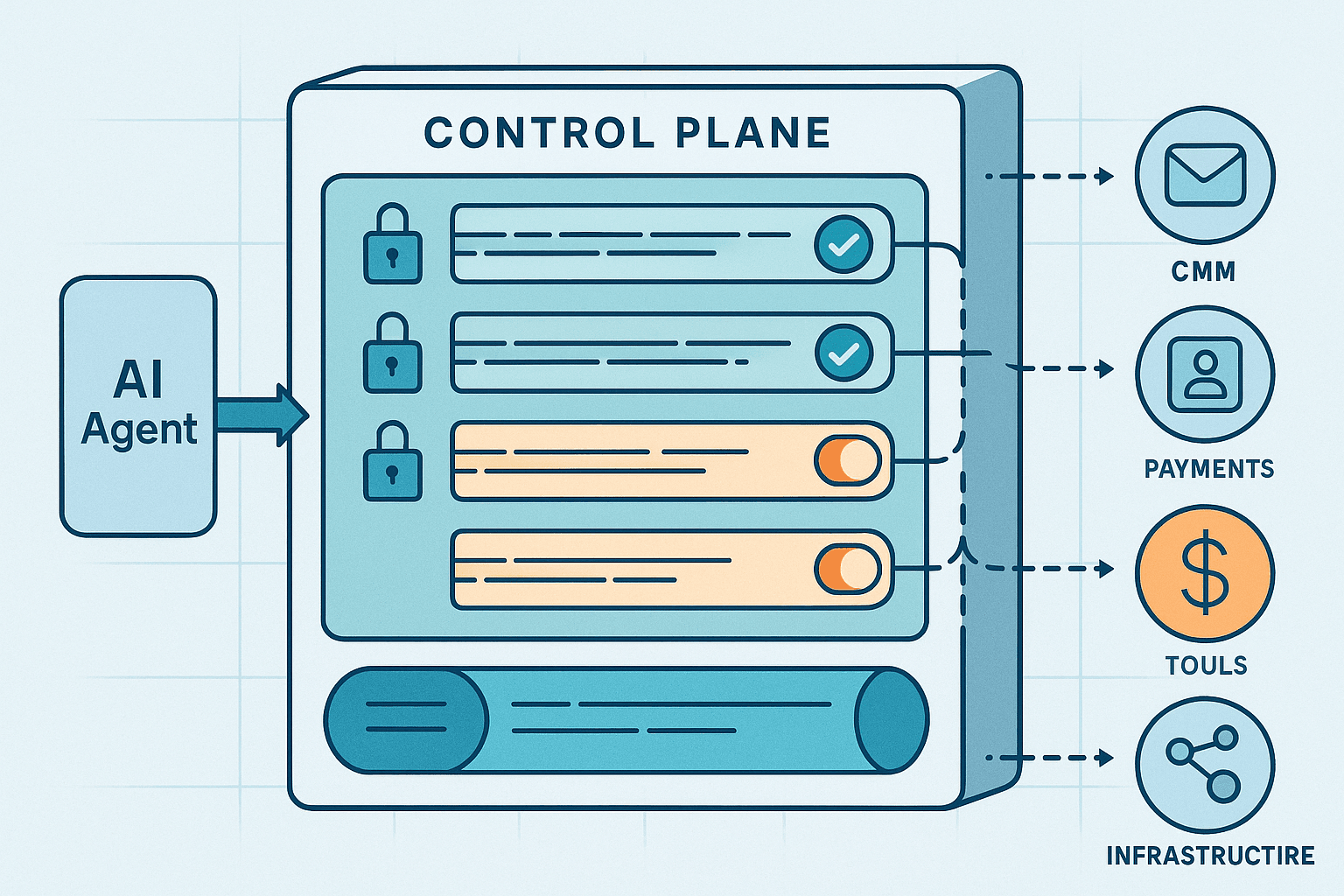
How to expand agent tool permissions safely with risk tiers, policy layers, shadow execution, approvals, tenant rollouts and audit trails.